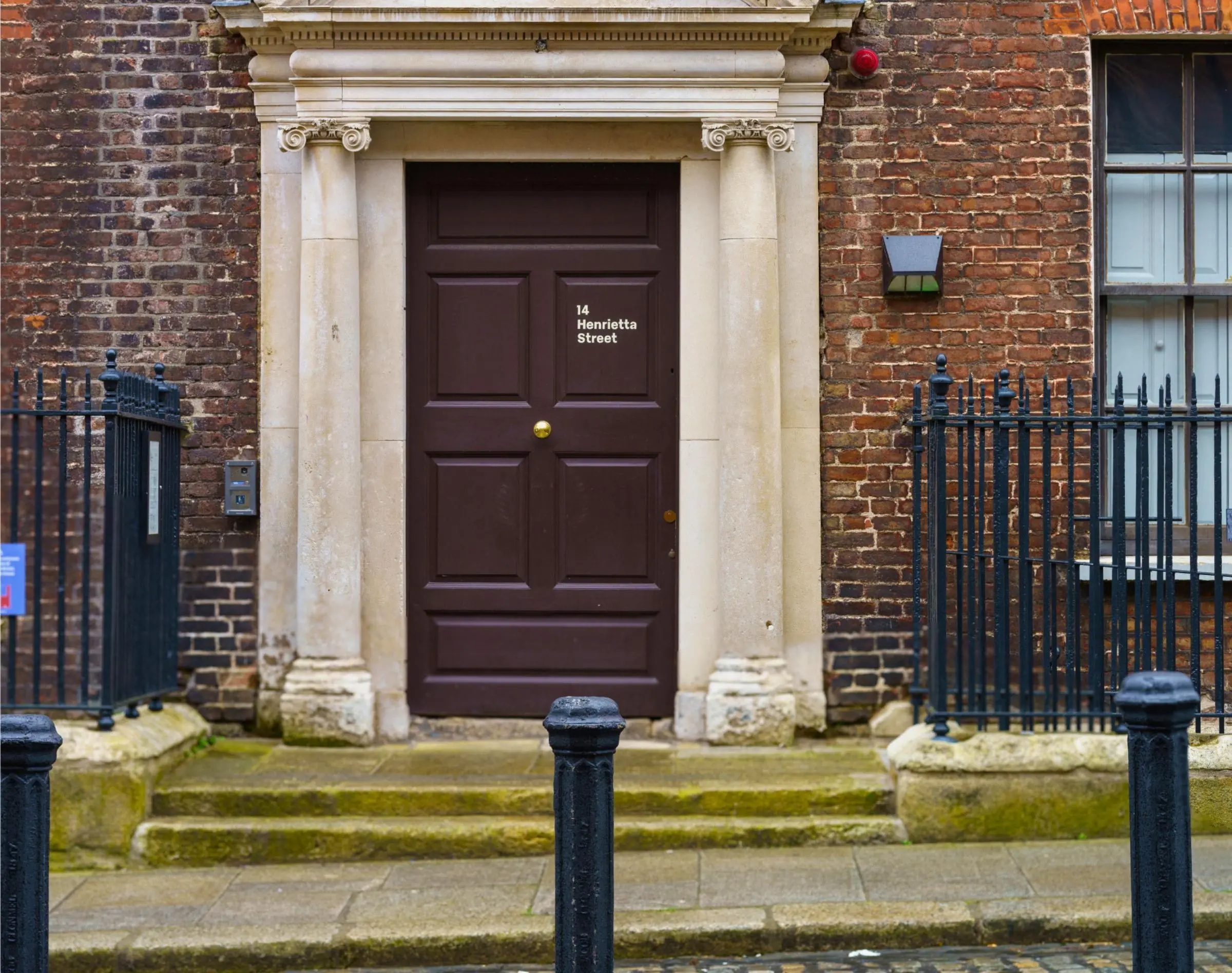
When you walk down Henrietta Street today, you are looking at the most intact collection of early Georgian houses in Ireland. The street is wide, quiet, and lined with imposing red-brick mansions. But behind the door of Number 14 lies a story of extreme contrast.
Built in the 1720s for Dublin’s wealthiest elites, this building eventually became a tenement house. By 1911, over 100 people lived within its walls, sharing a single cold-water tap and a handful of toilets. Today, 14 Henrietta Street operates as an award-winning museum run by the Dublin City Council Culture Company. It doesn’t just show you old furniture; it uses the physical layers of the building and the recorded voices of its former residents to tell the story of urban life in Dublin over 300 years.
If you want to understand the real social history of Dublin—beyond the castles and the whiskey tours—this is where you need to go.
Historical Significance: A House of Two Halves
To understand 14 Henrietta Street, you have to understand the timeline of Dublin itself.
The house was built in the late 1720s by Luke Gardiner, a wealthy property developer. For its first century, it was home to the elite: Lord Chancellors, bishops, and high-ranking judges. The rooms were vast, the plasterwork was ornate, and the staircases were designed to show off expensive silk gowns.
However, after the Act of Union in 1800, Ireland’s parliament was dissolved, and the wealthy political class moved to London. Dublin entered a long period of economic decline. The grand Georgian houses were sold off to landlords who subdivided the massive rooms into tiny, cramped flats.
By 1877, Thomas Dixon bought Number 14 and officially registered it as a tenement. The grand reception rooms were partitioned. Families of eight or ten people lived in single rooms. Disease, particularly tuberculosis, was rampant. The tenement era in Dublin lasted for decades, and the last residents didn’t leave 14 Henrietta Street until the late 1970s.
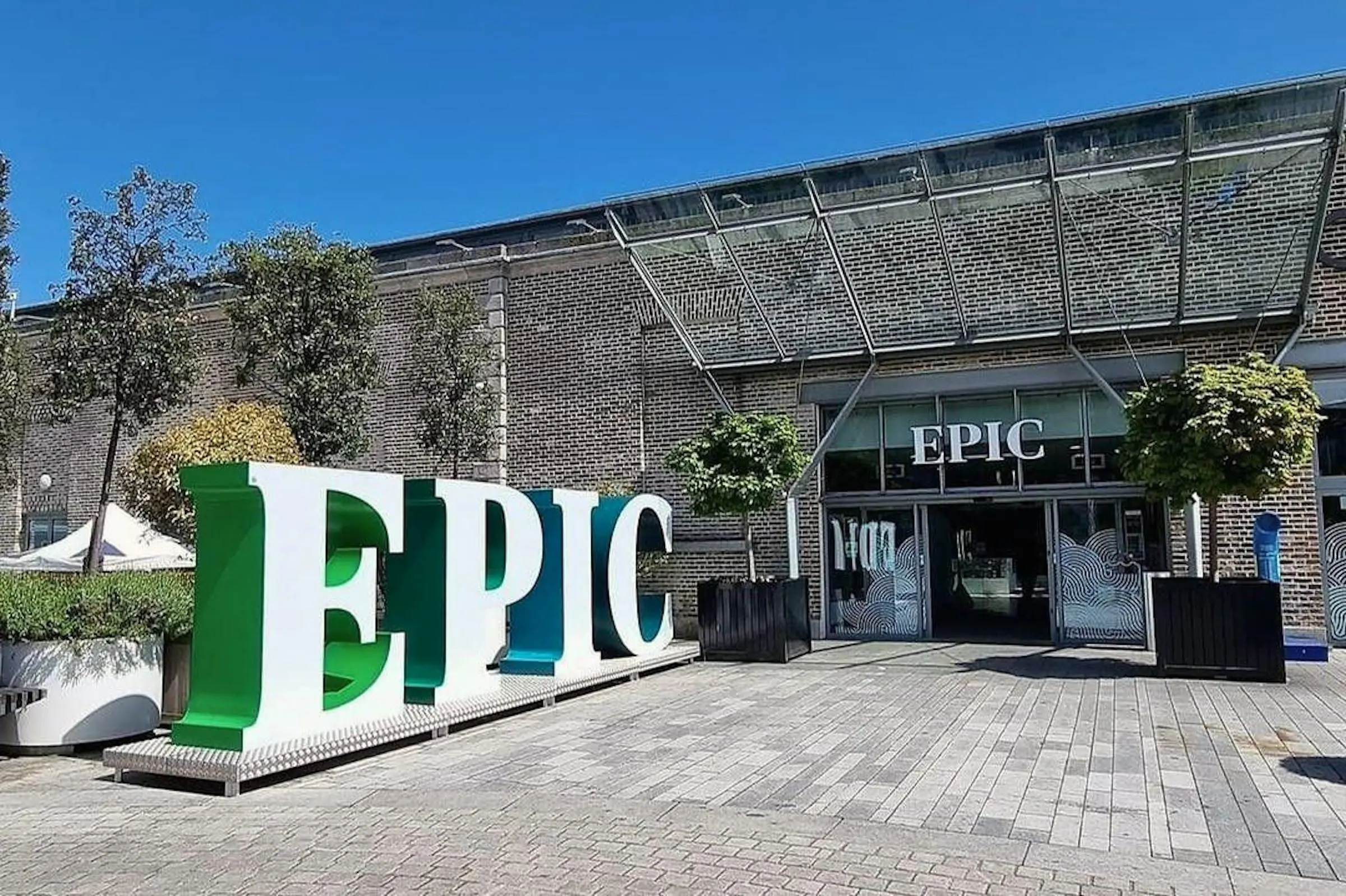
Keep Planning: To understand why so many Irish people left these conditions to seek a better life abroad, pair your visit with a trip to the EPIC The Irish Emigration Museum or the Jeanie Johnston Famine Ship.
5 Architectural & Cultural Highlights
The museum is designed to peel back the layers of time. As you move through the house, you move through different eras. Here are five specific highlights to look out for during your visit.
1. The Grand Entrance Hall
When you first step inside, you are in the 1720s. The entrance hall retains its original, sweeping Georgian proportions. Look up at the ceiling to see the intricate stucco plasterwork. The sheer scale of the room was designed to intimidate visitors and display the original owner’s immense wealth. The contrast between this grand entrance and the cramped conditions you will see later in the tour is jarring.
2. The “Raddle Red” Hallways
As you move into the tenement sections of the house, you’ll notice the walls are painted a distinct, heavy shade of red. This is “raddle,” a cheap mixture of red ochre and buttermilk that was used to paint the communal hallways of tenement buildings. It was used because it was inexpensive and hid the dirt and grime of dozens of people constantly moving up and down the stairs.
3. Mrs. Dowling’s Flat
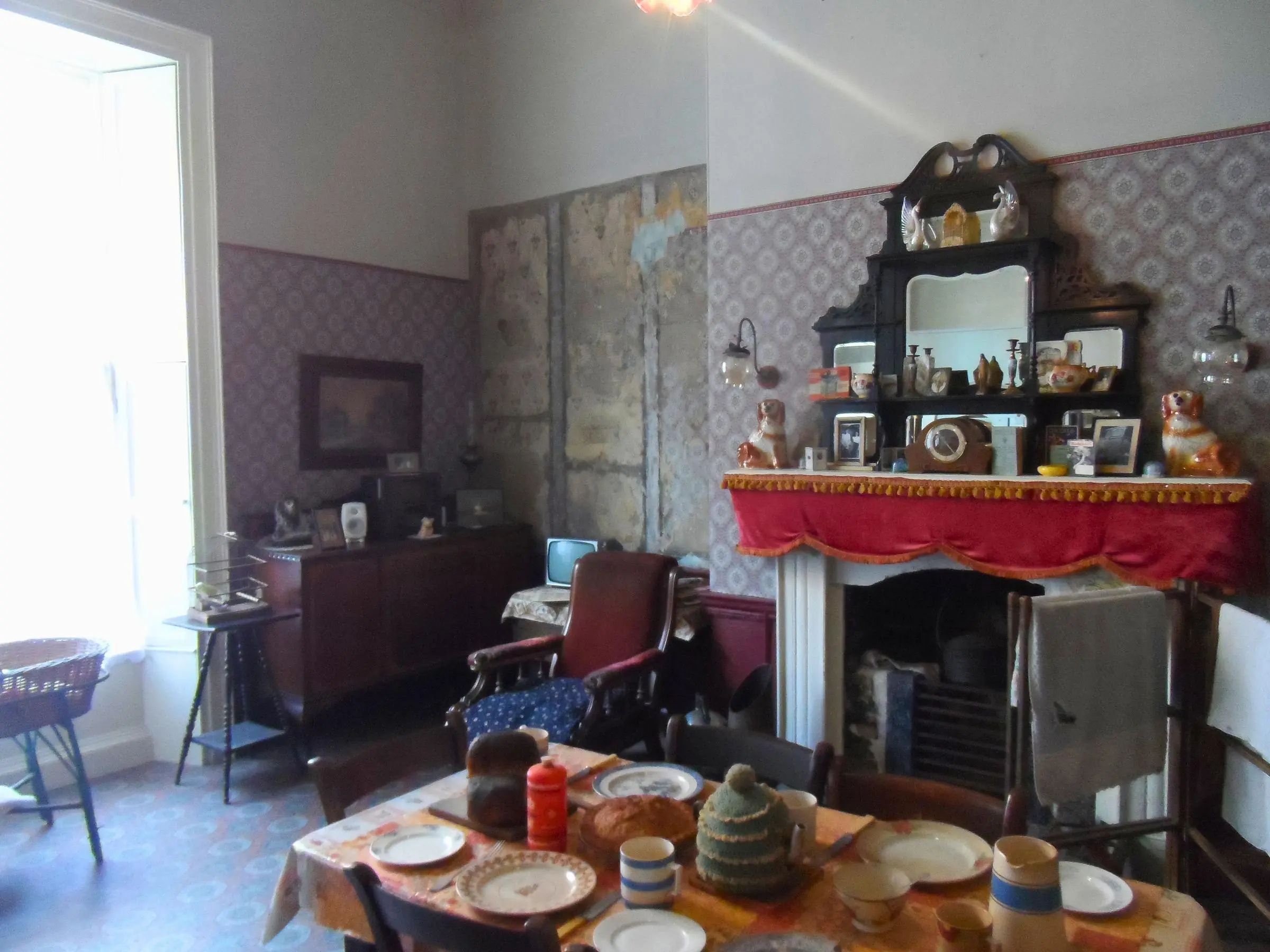
One of the most impactful rooms in the museum is a recreation of a 1950s tenement flat, based on the memories of a real former resident, Mrs. Dowling. The room is a sensory experience. You’ll see the heavy linoleum floor, the religious iconography on the walls, the small range cooker, and the shared beds. The museum has carefully preserved layers of old wallpaper, peeling them back like tree rings to show the different generations who tried to make this single room a home.
4. The Basement Coal Bunkers
The basement of 14 Henrietta Street is dark, damp, and claustrophobic. During the tenement years, this area housed the coal bunkers and the shared toilets. The tour guides do an excellent job of explaining the logistics of living here—how women had to carry heavy buckets of water up four flights of stairs, and how the lack of sanitation led to Dublin having one of the highest infant mortality rates in Europe at the time.
5. The Oral Histories
The most powerful “highlight” of 14 Henrietta Street isn’t a physical object; it’s the audio. The museum spent years tracking down people who actually lived in the house (or in similar tenements on the street) and recording their memories. Throughout the tour, you will hear these voices playing in the rooms. They talk about the cold and the poverty, but they also talk about the intense sense of community, the street games, and the open-door policy among neighbors.
Ticket Options: Guided vs. Independent
You cannot walk around 14 Henrietta Street independently. Access to the house is strictly by guided tour only. Because the groups are kept small (usually around 15 people) to fit into the historic rooms, tours sell out days—and sometimes weeks—in advance.
The Standard House Tour
The standard tour lasts exactly 75 minutes. A guide walks you through the house, starting in the Georgian era and ending in the 1970s. The guides here are exceptional—they are storytellers rather than lecturers, and they actively encourage questions.
Outdoor Walking Tours
Occasionally, the museum runs outdoor walking tours of the surrounding Broadstone and Phibsborough neighborhoods, focusing on the architecture and social history of the area. These are separate from the house tour and require a different ticket.
14 Henrietta Street vs. General History Tours
- Highly immersive and emotional storytelling.
- Small group sizes mean you can actually hear the guide.
- Focuses on the working-class history often ignored by other museums.
- Strict schedules; you cannot linger in rooms after the tour moves on.
- Requires booking well in advance.
- Not included in standard tourist passes like the Dublin Pass.
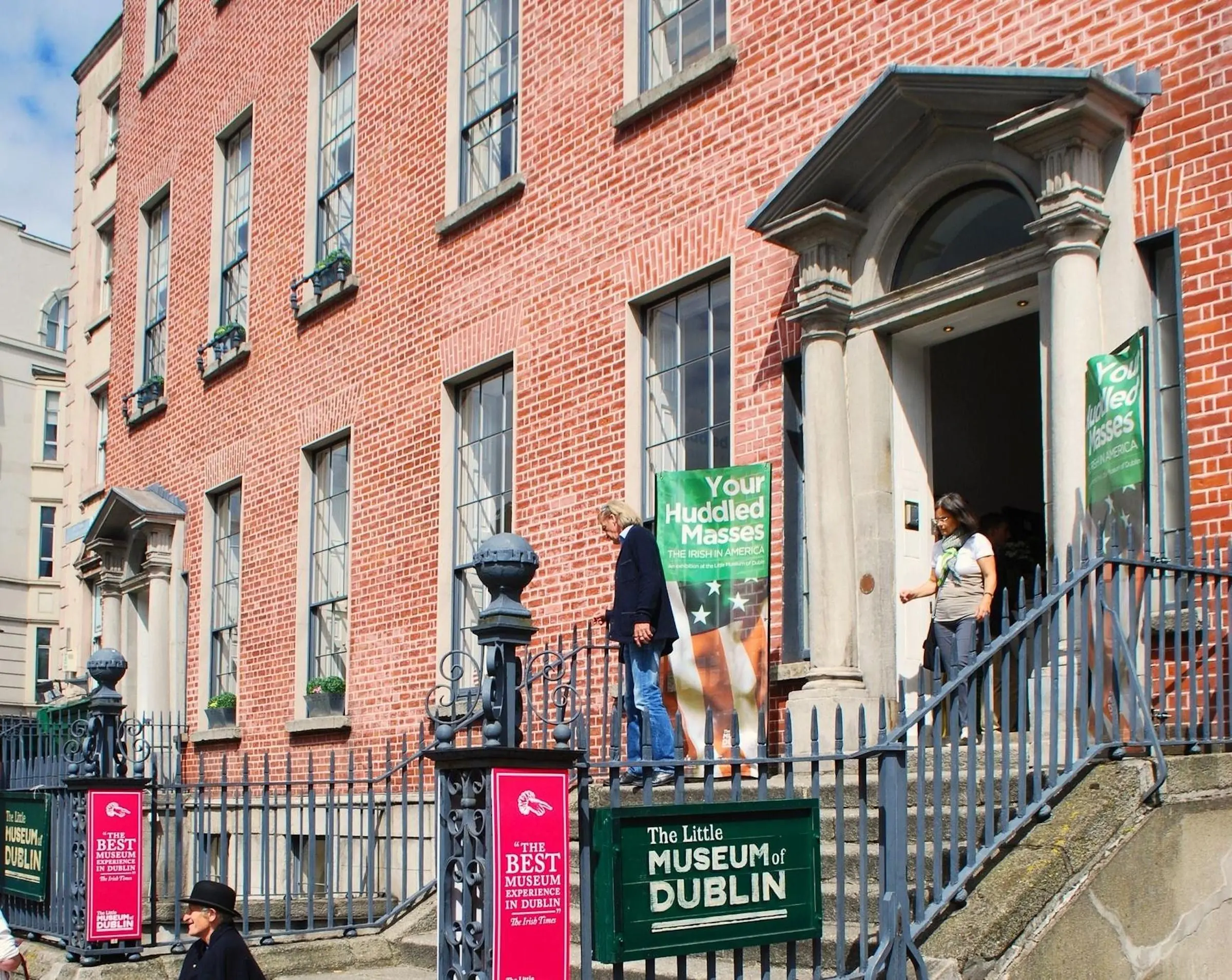
If you miss out on tickets for Henrietta Street, the Little Museum of Dublin offers a similarly engaging, story-led guided tour covering Dublin’s 20th-century history.
Audience Segmentation: Is This Tour For You?
For the Time-Poor
If you only have 2 days in Dublin, this is a highly efficient use of your time. The tour is a strict 75 minutes. You won’t get stuck reading endless plaques. Because it’s located on the north side of the river, it pairs perfectly with a morning visit to the Jameson Distillery Bow St., which is only a 10-minute walk away.
For Families with Kids
This is a talking-heavy, listening-heavy tour. There are no interactive touchscreens or spaces for kids to run around. It is highly recommended for older children and teenagers (10+) who can engage with the history, but it is likely to bore toddlers and young children. If you have young kids, the Dublin Zoo or a Hop-on Hop-off Bus Tour are much better options.
For Budget Travelers
At around €10 for an adult ticket (with concessions available for students and seniors), 14 Henrietta Street is one of the best value guided tours in Dublin. It provides a premium experience for a fraction of the cost of the larger commercial distilleries.
Local Tips & Logistics
Avoiding the Crowds
Because entry is strictly capped by the tour group size, the house never feels physically overcrowded. However, the street outside can get busy with other walking tours.
- Book the first tour of the day (usually 10:00 AM). The guides are fresh, and the street outside is quiet, allowing you to really appreciate the Georgian architecture before you go inside.
- Arrive 10 minutes early. The front door is kept locked. A staff member will open it shortly before your tour begins. If you are late, the tour will start without you, and you may not be allowed to join mid-way to avoid disrupting the narrative.
Accessibility
The building is a 300-year-old townhouse, but the museum has gone to great lengths to make it accessible. There is an elevator that provides access to all floors used on the tour. However, the basement floor is uneven, and the lighting in some rooms is intentionally kept low to protect artifacts and set the mood. If you have specific mobility or sensory needs, it is best to email them in advance.
Photography Rule: You are allowed to take photos (without flash) in most rooms, but the guides will ask you to put your phones away during certain audio-visual presentations so you can fully immerse yourself in the stories.
Getting There (Transit Directions)
14 Henrietta Street is located on Dublin’s Northside, just a short walk from O’Connell Street.
Transit Options to Henrietta Street
⏱️ Total: 15 minBy Luas (Tram)
Take the Luas Green Line to the Broadstone - DIT stop or the Dominick stop. From either stop, it is a flat, 5-minute walk to Henrietta Street.
By Foot from City Center
If you are starting at the Spire on O’Connell Street, walk north, turn left onto Parnell Street, right onto Moore Street, and navigate up toward Bolton Street. Henrietta Street is a quiet cul-de-sac off Bolton Street. It takes about 10 to 15 minutes.
By Bus
Numerous Dublin Bus routes stop on nearby Bolton Street, including the 38, 38A, 46A, and 140. If you are using the DoDublin Hop-On Hop-Off Bus, hop off at the Parnell Square North stop and walk 10 minutes west.
Where to Stay Nearby
Henrietta Street sits on the edge of the Smithfield neighborhood, which is an excellent, slightly less touristy area to base yourself in Dublin. It offers great transport links and easy access to both the Northside historical sites and the Phoenix Park.
Frequently Asked Questions
How long does the 14 Henrietta Street tour take?
The guided tour takes exactly 75 minutes. You should arrive 10 minutes before your scheduled start time, as latecomers cannot be accommodated once the tour moves into the upper floors.
Can I visit 14 Henrietta Street without a guide?
No. To protect the historic building and ensure visitors get the full context of the oral histories, access is strictly by guided tour only. You cannot wander the house independently.
Is 14 Henrietta Street included in the Dublin Pass?
No, 14 Henrietta Street is run by the City Council and is not currently included in commercial tourist passes like the Go City Dublin Pass. Tickets must be purchased directly from their official website.
Is the museum suitable for young children?
It is generally not recommended for children under 10. The tour is heavily focused on spoken storytelling, audio recordings, and social history, which requires a long attention span. There are no interactive play areas.
Are there toilets and a café on site?
There are modern, accessible toilets available for visitors on the ground floor. There is no café on site, but you are a 5-minute walk from Capel Street and Smithfield, both of which are packed with excellent coffee shops and bakeries.
Is the building wheelchair accessible?
Yes, despite being a 300-year-old building, the museum has an elevator that services all the floors included in the tour. However, some of the historic floorboards and basement areas are slightly uneven.