Let’s clear up the most common misconception right away: you cannot play blackjack or slot machines here. In 18th-century Italian, casino simply meant “little house.” But calling Casino Marino a little house is like calling the Mona Lisa a quick sketch.
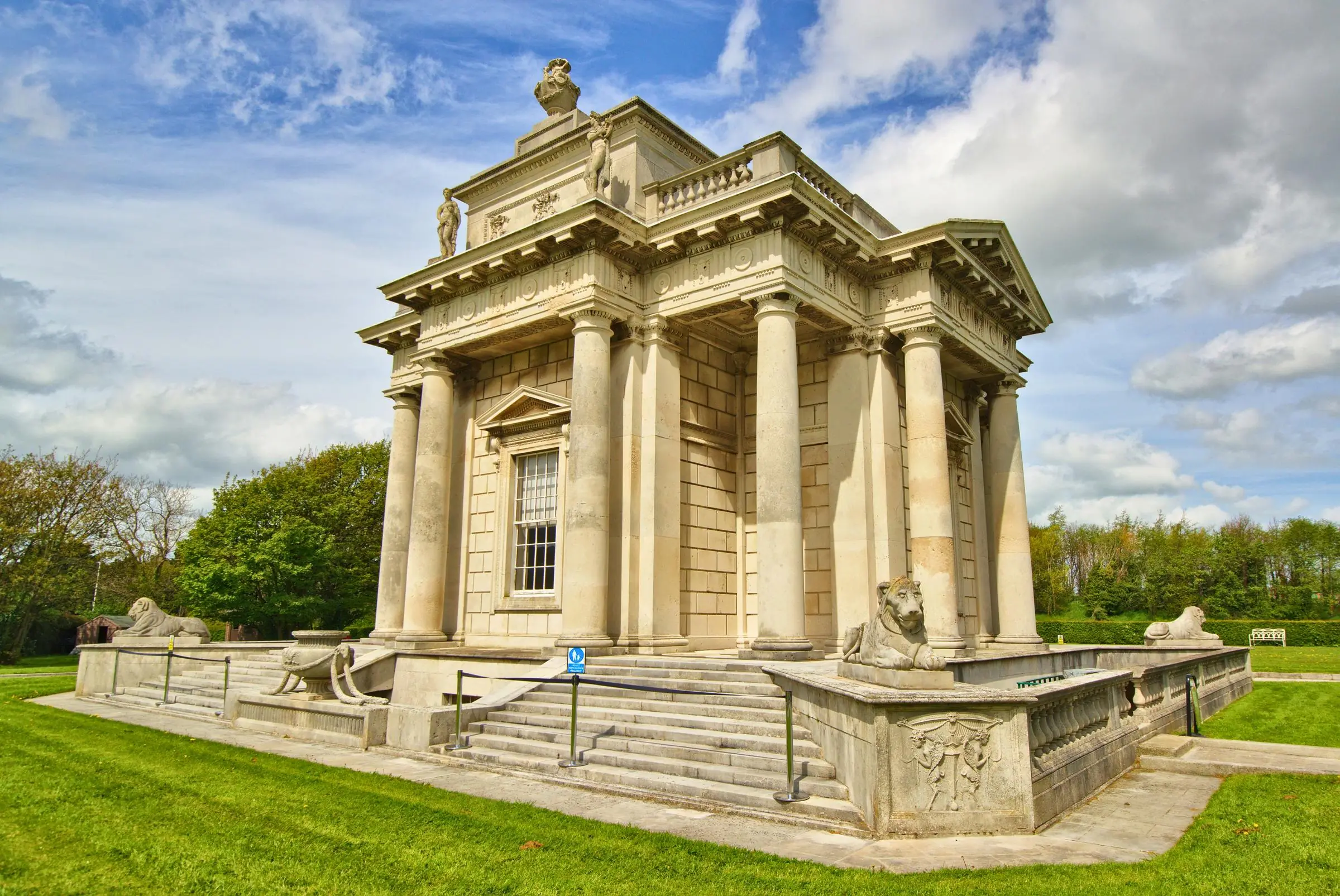
Located just a few miles north of Dublin’s city center, this building is widely considered one of the finest neoclassical structures in Europe. Designed by Scottish architect Sir William Chambers for James Caulfeild, the 1st Earl of Charlemont, it was built as a pleasure house—a quiet retreat where the Earl could read, entertain guests, and show off his refined tastes after returning from his Grand Tour of Europe.
Today, it stands as a brilliant architectural puzzle. From the outside, it looks like a modest, single-room Greek temple. Inside, it hides 16 highly decorated rooms across three floors. If you appreciate clever design, history, or just want to escape the busy city center for a few hours, Casino Marino is well worth the short bus ride.
5 Architectural & Cultural Highlights
The true joy of visiting Casino Marino lies in uncovering its secrets. Sir William Chambers designed the building with an obsession for symmetry and optical illusion. Here are five specific details to look out for during your visit.
1. The 16-Room Illusion
When you approach the building from the surrounding parkland, it appears to be a simple cross-shaped pavilion with a single main room. The massive front door and oversized exterior columns trick your brain into misjudging the scale. In reality, the interior is a labyrinth of 16 distinct rooms, including a basement for servants, a main floor for entertaining, and an upper floor with bedrooms. The way Chambers carved these rooms into such a compact footprint is nothing short of genius.
2. Disguised Chimneys and Gutters
To maintain the illusion of a pristine Roman temple, Chambers couldn’t just stick ugly brick chimneys or metal rain gutters on the roof. Instead, the ornate stone urns sitting on the roofline are actually hollowed-out, fully functional chimneys. The rainwater drainage system is equally clever: the water flows off the roof and down through the hollow centers of the exterior columns, draining away underground without a single visible pipe.
3. The State Room and Apollo Ceiling
The main reception room, known as the State Room or the Zodiac Room, is the crown jewel of the interior. The domed ceiling features incredibly intricate plasterwork depicting the sun god Apollo, surrounded by the signs of the zodiac. The floor is an equally impressive piece of marquetry, crafted from rare woods including mahogany, rosewood, and walnut, laid out in geometric patterns that mirror the ceiling above.
Footwear Warning: Because the original 18th-century wooden floors are so fragile, visitors wearing stiletto heels or heavy boots may be asked to wear protective shoe covers, or in some cases, remove their shoes entirely. Wear comfortable, flat, soft-soled shoes.
4. Faux Windows and Tinted Glass
Symmetry was the rule of law in neoclassical design. If a window was needed on one side of the building for light, a matching window had to be placed on the opposite side—even if there was a solid interior wall behind it. To solve this, Chambers used faux windows. He installed real glass on the exterior, but tinted it black or backed it with dark materials so you couldn’t tell there was a brick wall right behind it.
5. The Servant Tunnels
Lord Charlemont wanted his estate to look like a pristine, untouched Arcadia. The sight of servants carrying coal, food, or chamber pots across the lawn would have ruined the aesthetic. To solve this, a network of underground tunnels was built connecting the main house (which no longer exists) to the Casino. Servants moved entirely out of sight, emerging only when summoned.
Tickets & Tours: How to Visit
Casino Marino is managed by the Office of Public Works (OPW), the Irish government agency responsible for heritage sites. Because the interior is small and fragile, access is strictly controlled.
How Should You Visit?
- Guided Tour (Interior): The only way to see the inside. OPW guides are incredibly knowledgeable and point out the optical illusions you would otherwise miss.
- Cost: Very affordable (often under €5), and free on the first Wednesday of the month.
- Independent Visit (Exterior Only): You can walk the surrounding parkland for free, but you will miss the entire point of the building—the interior tricks.
- Availability: Tours can sell out on busy summer weekends, and the site closes entirely during the winter months.
Ticket Logistics
You generally cannot buy tickets for Casino Marino on major travel platforms. You must purchase them on-site at the visitor desk or via the official OPW website.
If you are planning a wider itinerary and want to bundle other attractions, you might consider picking up an entry pass like the Dublin Pass with entry to 40+ attractions for your city-center sightseeing, and paying the few euros out of pocket for Casino Marino.
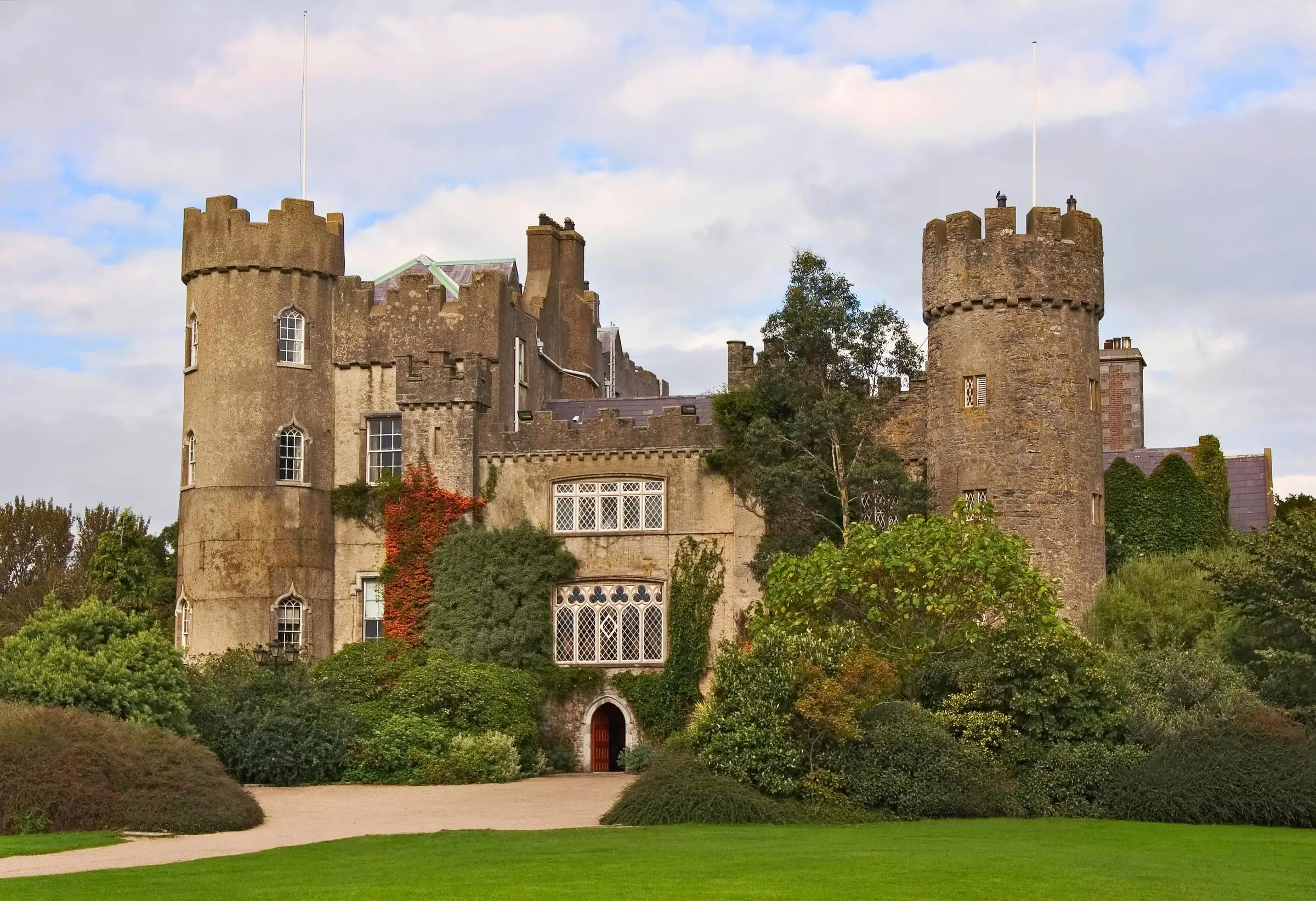
Alternatively, since Casino Marino is on the north side of the city, you can easily pair it with a trip further north to Malahide. You can book a guided tour of the nearby Casino Model Railway Museum and Malahide Castle to make a full day of it.
Audience Advice: Is Casino Marino for You?
For the Time-Poor: If you are only in Dublin for 48 hours, this might be a tough sell simply because of the transit time. The guided tour itself takes about 45 to 60 minutes, but factoring in the bus ride from the city center and the walk up the avenue, you need to dedicate at least 2.5 hours to this excursion.
For Budget Travelers: This is one of the best value historical sites in Dublin. Entry is usually around €5 for adults, with discounts for students and seniors. If you happen to be in Dublin on the first Wednesday of the month, OPW sites (including this one) are completely free.
For Families: The expansive green lawns surrounding the Casino are great for kids to run around. However, the interior tour requires quiet attention, and the fragile floors mean kids cannot run or jump inside. If you have toddlers, you might prefer the more robust, interactive spaces at Dublinia or the open grounds of Malahide Castle.
Transit Directions: Getting There
Casino Marino is located in the residential suburb of Marino, about 3 miles (5 km) north of Dublin’s city center.
Transit Route from City Center
⏱️ Total: 35 minCatch the Bus
Head to Connolly Station, Eden Quay, or Abbey Street in the city center. Look for Dublin Bus routes 14, 15, or 27.
The Ride North
Take the bus northbound up the Malahide Road. The ride takes about 15–20 minutes depending on traffic.
Walk to the Entrance
Get off at the “Nazareth House” stop on Malahide Road. From there, it’s a 5 to 10-minute walk up Cherrymount Crescent to the entrance gates of the Casino.
Taking a Taxi: A taxi from the city center will cost around €15–€20 and takes about 15 minutes outside of rush hour.
Driving: There is a small, free car park on-site for visitors, which is rare for Dublin attractions.
Keep Planning: If you’re relying on buses and trains to get around, read our complete Public Transport Guide to understand how the Leap Card works.
Local Tips for Avoiding Crowds
While Casino Marino doesn’t see the massive throngs of tourists that flock to the Guinness Storehouse (where you always need Guinness Storehouse tickets booked well ahead) or Trinity College, its small interior means even a group of 15 people can feel crowded.
- Avoid Heritage Week: In late August, Ireland celebrates National Heritage Week, and entry to OPW sites is often free. While great for the budget, Casino Marino gets swamped by locals during this week.
- Go Early: Book the first tour of the day (usually around 10:00 AM). The light coming through the faux windows is beautiful in the morning, and you’ll likely share the tour with only a handful of people.
- Check the Season: Casino Marino is a seasonal attraction. It typically opens from late March to late October. If you visit in November or February, the gates will be locked. Always check the official OPW site before making the trek.
- Combine with Clontarf: After your visit, walk or take a short bus ride down to the Clontarf promenade. You can grab a coffee, walk along the sea wall looking out over Dublin Bay, and enjoy a much quieter side of the city.
Where to Stay Nearby
Marino is a quiet, leafy residential neighborhood. While there aren’t many large hotels directly next to the Casino, staying in nearby Clontarf or the northern edge of the city center gives you easy access to both the attraction and the sea. Use the map below to find local guesthouses and hotels.
Frequently Asked Questions
Is Casino Marino an actual gambling casino?
No. The word casino is derived from Italian, meaning “little house.” It was built in the 18th century as a pleasure house and retreat for the Earl of Charlemont to read, write, and entertain guests. It has never been used for gambling.
How long does a visit to Casino Marino take?
The guided tour of the interior takes about 45 to 60 minutes. You should allow an extra 20 minutes to walk the grounds and admire the exterior architecture. Including transit from the city center, budget about 2.5 hours total.
Is Casino Marino wheelchair accessible?
Accessibility is very limited. Because it is an intact 18th-century historic building with narrow doorways, steep stairs, and delicate floors, wheelchairs cannot access the upper or lower floors. Visitors with mobility issues can view the exterior and the ground floor, but should contact the site in advance to discuss specific needs.
Can I take photographs inside?
Yes, photography for personal use is generally allowed without flash. However, tripods and commercial photography require prior permission from the OPW to protect the fragile interiors and other visitors’ experiences.
Are there toilets and a café on site?
There are basic visitor toilets available on site. However, there is no café. You can bring a picnic to eat on the surrounding lawns, or head down to nearby Malahide Road or Clontarf for cafes and restaurants.
Is it open year-round?
No. Casino Marino operates on a seasonal schedule, typically opening from late March through October. It closes entirely during the winter months for conservation work. Always verify opening hours on the official OPW website before traveling.