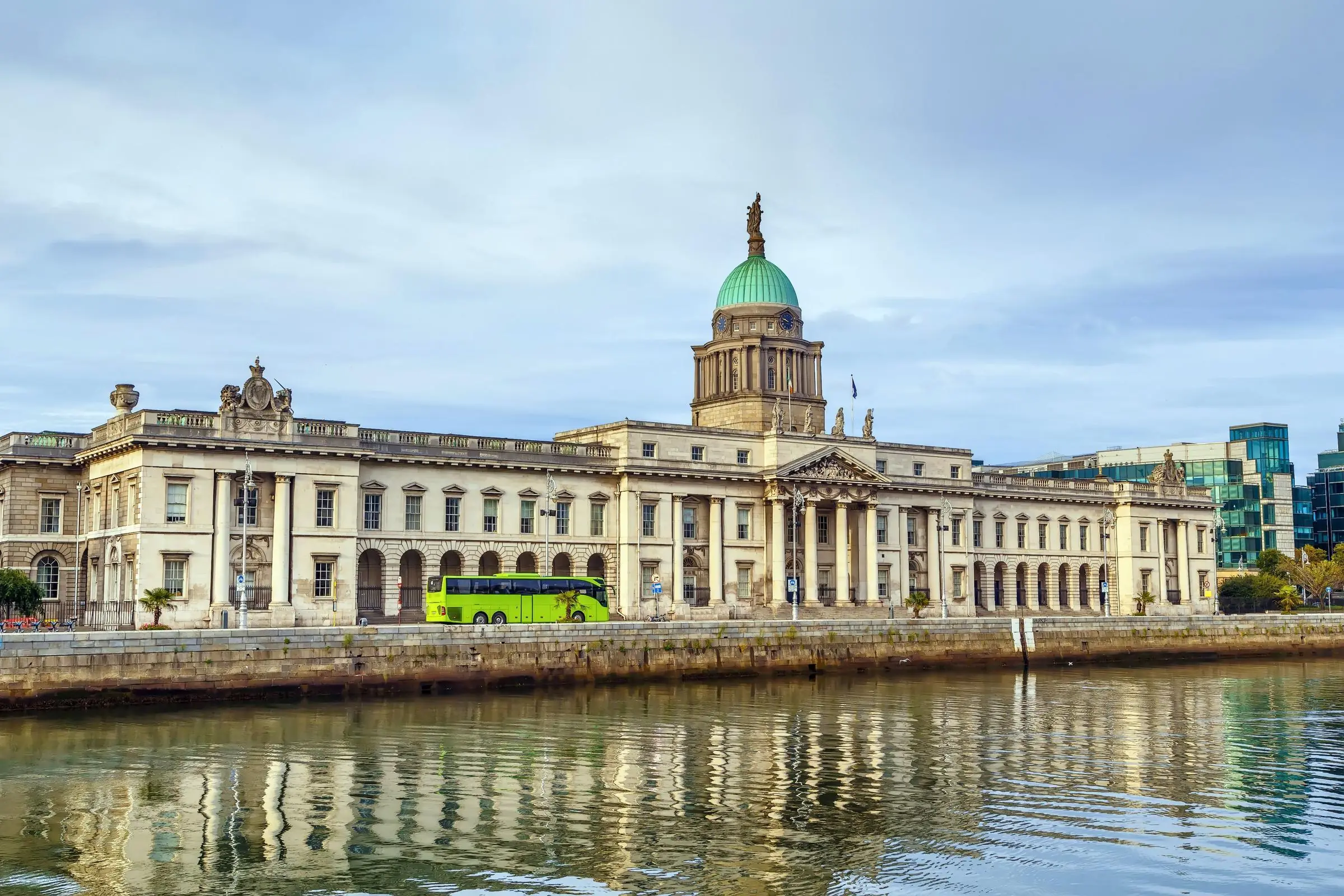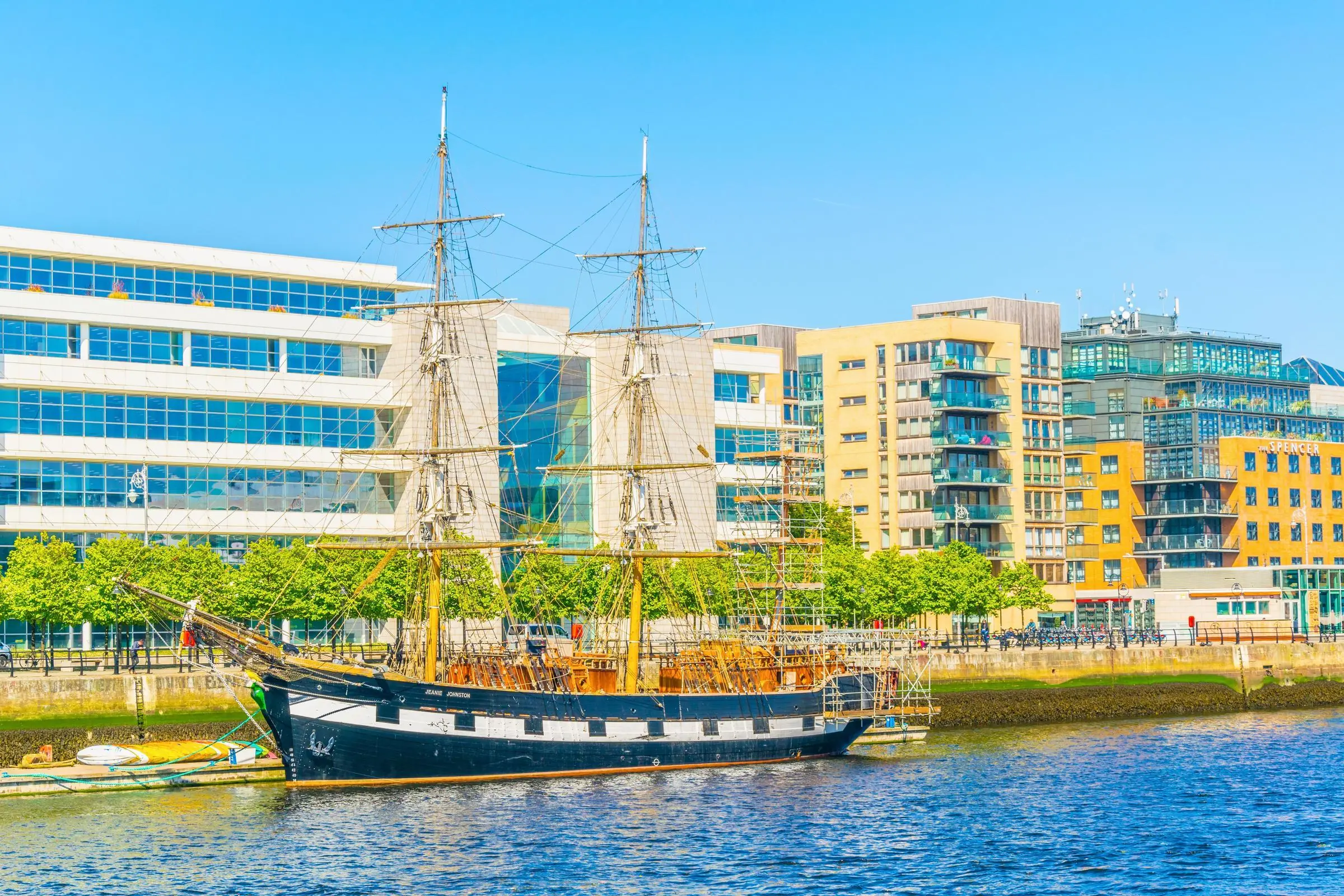
Moored on the River Liffey at Custom House Quay, the Jeanie Johnston Tallship stands out against Dublin’s modern Docklands. This three-masted barque is a faithful replica of the original ship that made 16 transatlantic voyages between 1848 and 1855, carrying thousands of Irish people fleeing the Great Famine to North America.
Unlike the notorious “coffin ships” of the era, the original Jeanie Johnston never lost a single passenger to disease or the sea—a remarkable feat for the time. Today, the replica operates as a floating museum. A visit here isn’t just about maritime history; it is a grounded, physical look at the cramped, harsh conditions emigrants endured for weeks at sea in search of a better life.
This guide covers everything you need to know to plan your visit, from securing entry tickets to navigating the steep lower decks.
Is the Jeanie Johnston Right for You?
Before you book a guided tour, it helps to know if the experience matches your travel style and constraints.
- For History Buffs: If you are interested in the Great Famine or maritime history, this is a highly specific, tactile experience. You get to stand in the actual dimensions of a 19th-century steerage cabin.
- For Families with Older Kids: Children over 8 usually find the ship fascinating, especially the wax figures and stories of young passengers. However, toddlers and infants will struggle. Strollers cannot be taken below deck, and the stairs are steep ladder-style steps.
- For the Time-Poor: The tour takes exactly 50 minutes. Because it runs on a strict schedule, it is easy to slot into a busy itinerary, especially if you are already visiting the nearby EPIC Museum.
- For Visitors with Mobility Issues: The ship is not wheelchair accessible below the main deck. Accessing the steerage requires descending steep, narrow wooden stairs. If you have bad knees or balance issues, you may need to sit this one out.
The Jeanie Johnston only allows visitors below deck via guided tour, and capacity is strictly limited due to the size of the ship. If you are visiting between June and August, book your time slot a few days in advance.
5 Architectural and Cultural Highlights
The Jeanie Johnston is not a massive vessel. It is 47 meters (154 feet) long, and when you realize that up to 254 passengers were crammed into its hull for up to seven weeks, the scale becomes sobering. Here are five specific highlights to look out for during your visit.
1. The Upper Deck and Rigging
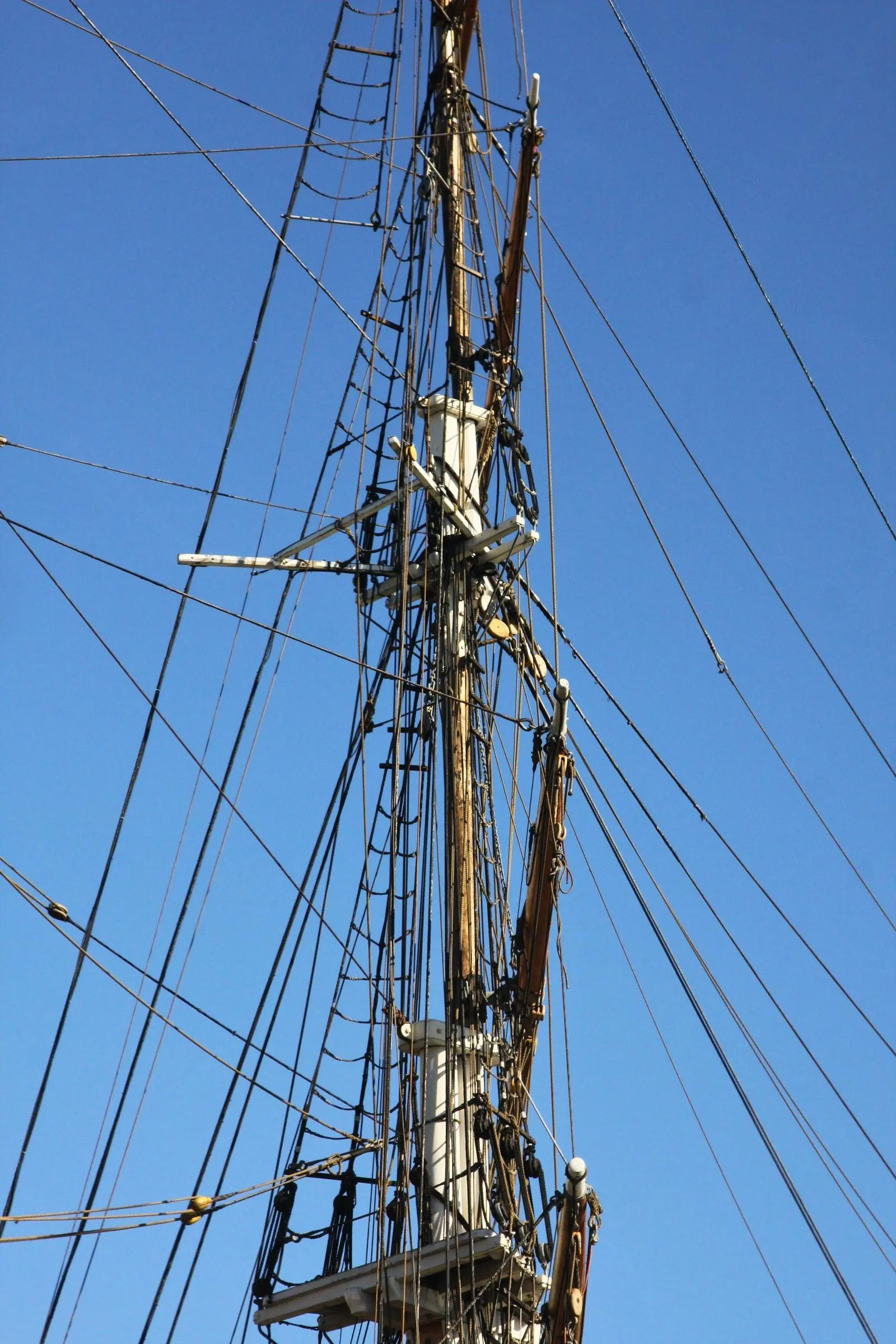
When you first step aboard, take a moment to look up. The replica was built using traditional ship-building techniques. It features 17 sails and miles of complex rigging. The craftsmanship required to recreate a mid-19th-century timber ship is evident in the massive wooden masts and the heavy ropes. Your guide will explain how the crew of 17 men managed this rigging during brutal Atlantic storms.
2. The Steerage (Lower Deck)
The core of the experience happens below deck. As you descend the steep stairs, the light disappears, replaced by the dim glow of lanterns. This is steerage, where the passengers lived. The ceiling is low (taller visitors will need to duck), and the wooden bunks are stacked tightly. You will see life-sized wax figures depicting real passengers, which helps visualize how crowded and claustrophobic the space was when filled with over 200 people, their meager belongings, and the constant motion of the sea.
3. The Story of Dr. Richard Blennerhassett
One of the main reasons the original Jeanie Johnston never lost a passenger was its captain, James Attridge, and its dedicated ship’s doctor, Richard Blennerhassett. During the tour, you will learn about the doctor’s strict hygiene protocols. In an era when typhus and cholera routinely wiped out half the passengers on other ships, Dr. Blennerhassett enforced daily deck walks, cleaning routines, and strict rations. His medical kit and cabin setup are discussed in detail.
4. The Birth of Nicholas Johnston
Among the passenger stories, the most famous is that of a baby boy born on the ship’s maiden voyage. His parents named him Nicholas Johnston in honor of the ship’s owner (Nicholas Donovan) and the ship itself. The tour guides do an excellent job of tracing what happened to some of these passengers after they landed in North America, bringing the historical statistics back to a human level.
5. The Replica’s Construction History
The ship you are standing on has its own modern history. It was built in Blennerville, County Kerry, as a millennium project. It took six years and millions of euros to complete, utilizing the skills of shipwrights from across Europe. The guide will briefly touch on the massive effort it took to source the oak and larch wood and the modern safety adaptations (like hidden engines) required to let the ship sail today.
Keep Planning: To understand the broader context of why these people were leaving, pair your visit with a walk to the nearby Famine Memorial on Custom House Quay.
Ticket Options: Guided Tours vs. City Passes
You cannot wander around the Jeanie Johnston independently. Access to the lower decks is strictly by guided tour only. Tours depart at scheduled times throughout the day and last approximately 50 minutes.
Jeanie Johnston Guided Tour
- 50-minute guided tour of the upper and lower decks
- Guaranteed time slot
- Best if you only want to see the ship
The Dublin Pass
- Includes the Jeanie Johnston tour
- Includes EPIC Museum, Guinness Storehouse, and 35+ others
- Best if you are doing 3+ major attractions in a day
Should You Buy the Dublin Pass?
If you are spending the day in the Docklands, you might visit the Jeanie Johnston (€16) and the EPIC Museum (€22). That totals €38. The Dublin Pass starts at €79 for one day. The pass only makes financial sense if you also plan to visit a high-ticket item like the Guinness Storehouse or take the Hop-on Hop-off bus on the same day. Otherwise, buy individual entry passes.
How to Get There
The Jeanie Johnston is located at Custom House Quay in the Dublin Docklands. It is highly visible from the road and the river.
- Walking: It is about a 15-minute walk east from O’Connell Bridge along the north side of the River Liffey.
- By Luas (Tram): Take the Luas Red Line and get off at the George’s Dock stop. The ship is a 2-minute walk from the tram stop. Read our Luas guide for ticketing info.
- By Bus: Several Dublin Bus routes stop near Custom House Quay, including the 14, 15, and 27.
- By Car: Driving in central Dublin is not recommended. If you must drive, the nearest paid parking is the Q-Park at the CHQ Building or the Park Rite at the IFSC.
Watch the Weather: While the lower deck is enclosed, the first 15 minutes of the tour take place on the exposed upper deck. The wind coming off the River Liffey can be biting, even in summer. Bring a windbreaker or a warm layer.
Local Tips for Your Visit
1. Avoid the Midday Rush The ship is small, and tours are capped at around 30 people. During the summer months, the 11:00 AM to 2:00 PM slots fill up fast with tour groups and cruise ship passengers. Book the first tour of the day (usually 10:00 AM) or the last tour of the afternoon for a slightly smaller group and a more atmospheric experience.
2. Wear Sensible Shoes Leave the heels and slippery dress shoes at the hotel. You will be walking on uneven wooden decking and descending steep, ladder-like stairs to get into the steerage. Sneakers or flat boots are essential.
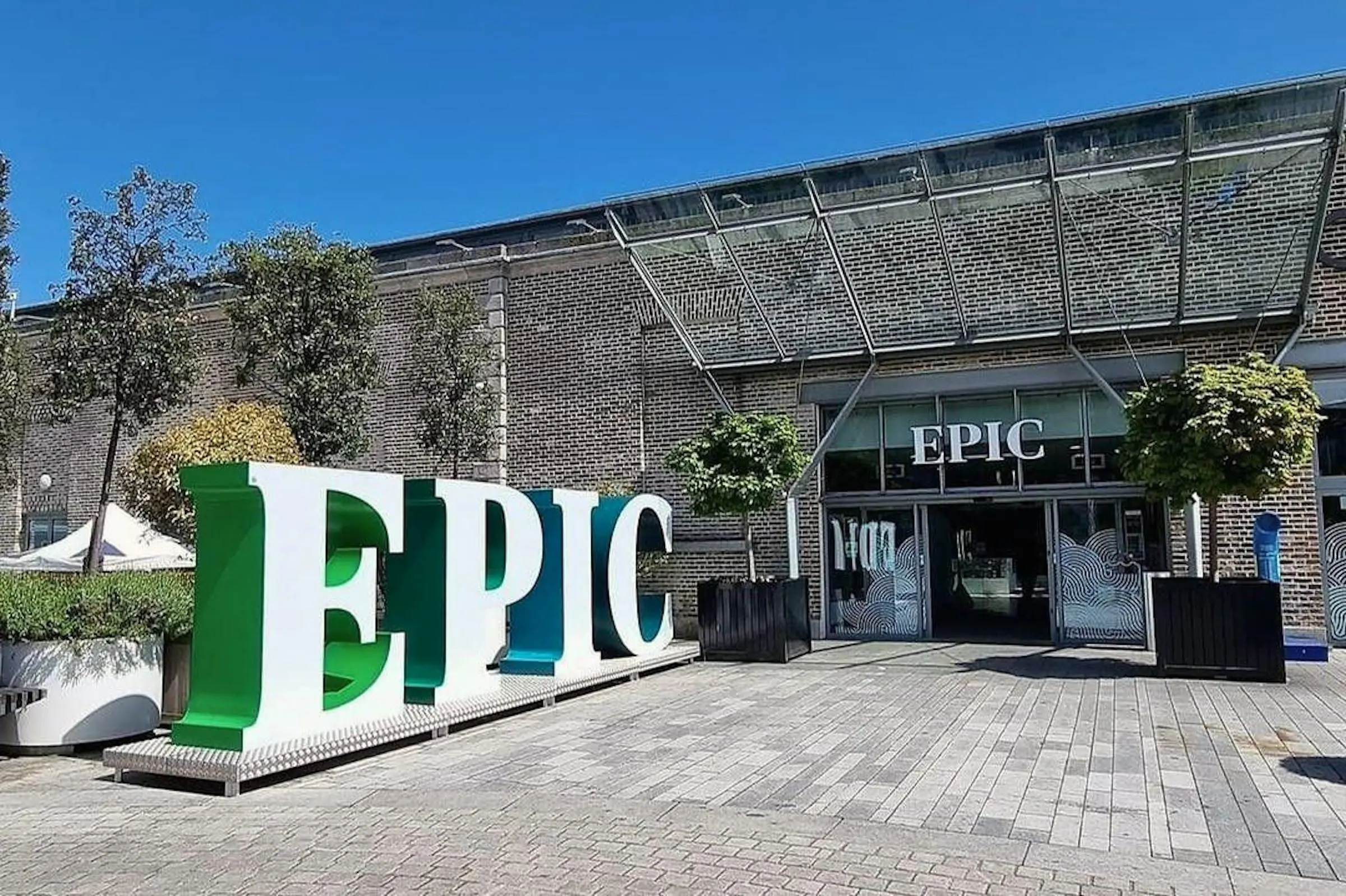
3. Combine with the CHQ Building The tour lasts just under an hour. Afterward, you will likely be hungry. Walk directly across the street to the CHQ Building. It houses the EPIC Museum, but it also has a food court, a great coffee shop (Urban Brewing), and clean public restrooms.
4. Photography Tips Taking photos below deck is difficult due to the low lighting and the tight quarters filled with other tourists. If you want a clean shot of the steerage bunks, hang back slightly as the group moves toward the captain’s cabin, but be quick so you don’t miss the guide’s audio.
Suggested Docklands Itinerary
Because the Jeanie Johnston is a relatively short activity, it pairs perfectly with other sights in the area.
A Morning in the Docklands
⏱️ Total: 3 hTour the Jeanie Johnston
Arrive for the first guided tour of the day. Spend 50 minutes learning about the famine and the transatlantic crossing.
The Famine Memorial
Walk 3 minutes west along Custom House Quay to see the haunting bronze statues of the Famine Memorial by Rowan Gillespie.
Coffee at CHQ
Cross the road to the CHQ building. Grab a coffee and a pastry to recharge.
EPIC The Irish Emigration Museum
Head downstairs in the CHQ building to explore EPIC. While the Jeanie Johnston shows how people left, EPIC explains where they went and what they achieved.
Where to Stay Near the Jeanie Johnston
If you want to stay in a modern, quieter part of the city with easy access to the river and the 3Arena, the Docklands neighborhood is an excellent choice. It is well-connected by the Luas tram to the city center.
Frequently Asked Questions
How long does the Jeanie Johnston tour take?
The guided tour takes exactly 50 minutes. You cannot stay on the ship after the tour concludes, as the next group will be boarding.
Can I explore the ship without a guide?
No. For safety and preservation reasons, visitors are only allowed on board as part of a scheduled guided tour.
Is the Jeanie Johnston wheelchair accessible?
The upper deck is accessible via a ramp, but the lower deck (steerage), where the majority of the tour takes place, is only accessible via steep wooden stairs. It is not suitable for wheelchairs or mobility scooters.
Are there toilets on the ship?
No, there are no public restrooms on the Jeanie Johnston. Use the facilities in the CHQ building across the street before your tour begins.
Does the ship ever sail?
The replica was built as a fully functioning sailing vessel and did sail to North America in 2003. However, it is currently permanently moored as a museum and does not take passengers out on the water.
Is it suitable for young children?
While children are welcome, the historical subject matter (famine, disease, emigration) is heavy, and the tour is heavily dialogue-based. Children under 8 might find it boring, and strollers cannot be brought below deck.
Explore More of Dublin's History
Ready to continue the story of Irish emigration? The award-winning EPIC Museum is located just across the street from the Jeanie Johnston.