The General Post Office (GPO) on O’Connell Street is not just a place to buy stamps. While the front half of the building remains the operational headquarters of An Post (the Irish postal service), the eastern side houses the GPO Museum (formerly known as GPO Witness History).
In April 1916, a group of Irish rebels seized this building, barricaded the doors, and declared an independent Irish Republic. The ensuing battle—the Easter Rising—left the GPO in ruins and changed the course of Irish history. Today, the museum offers a detailed, objective look at those events through interactive exhibits, original artifacts, and immersive audiovisual displays.
Whether you are tracing your family history, studying 20th-century European conflicts, or simply walking down O’Connell Street, understanding the GPO is central to understanding modern Ireland.
Who Should Visit the GPO Museum?
The GPO Museum is highly focused on a specific six-day period in 1916. Here is how to approach your visit based on your travel style:
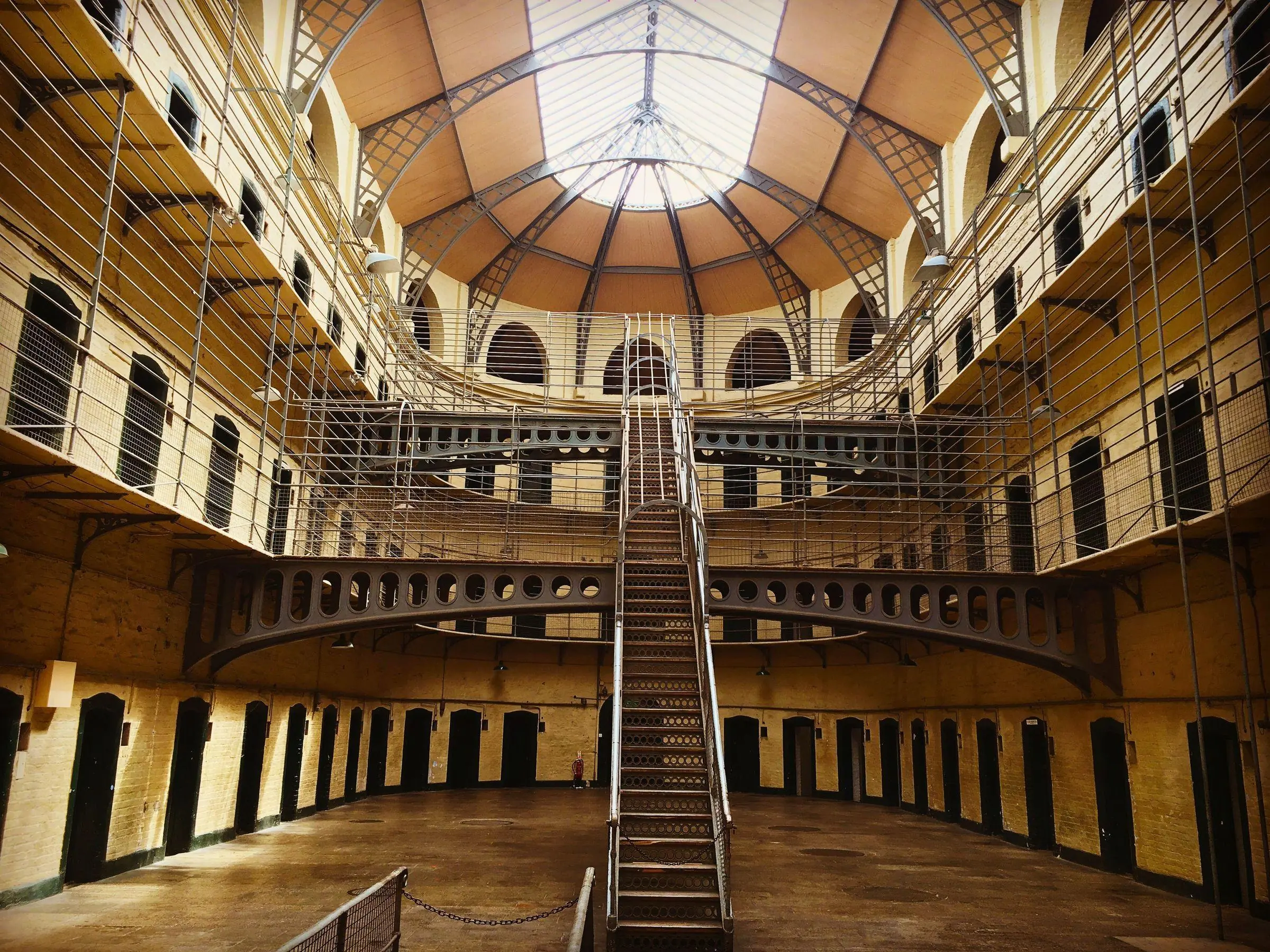
- History Buffs: You will want to allocate at least 90 minutes to two hours here. The museum does an excellent job of explaining the complex political factions (Irish Volunteers, Irish Citizen Army, Cumann na mBan) that united for the Rising. To get the full picture, pair this visit with a trip to Kilmainham Gaol, where the leaders were subsequently executed.
- Families with Older Children: The museum is highly interactive. Touchscreens, a Morse code station, and a central immersive film keep teenagers and older children engaged. However, the subject matter involves war, execution, and civilian casualties, which may require context for younger kids.
- The Time-Poor: If you only have 45 minutes, you can still get value from a standard entry ticket. Focus on the central semicircular film experience and the original Proclamation document, then take a quick walk through the working post office hall to see the architecture.
While the GPO Museum rarely sells out weeks in advance like Kilmainham Gaol, the mid-morning slots (10:30 AM - 12:00 PM) frequently fill up with school groups and coach tours. Booking your GPO Museum Entry Ticket a day or two ahead ensures you can walk straight in.
5 Architectural & Cultural Highlights
The GPO was designed by Francis Johnston and opened in 1818. It was one of the last great Georgian public buildings erected in Dublin. When you visit, look out for these specific details.
1. The Greek Revival Portico & Bullet Holes
Before you even enter the museum, stand on O’Connell Street and look at the building’s facade. The portico features six massive fluted Ionic columns. If you look closely at the stone pillars, particularly the ones on the outer edges, you can still see the pockmarks and gouges left by British bullets and shrapnel during the 1916 bombardment. The facade was one of the few parts of the building to survive the resulting fire.
2. The Statue of Cúchulainn
Inside the main public hall of the working post office (which is free to enter), you will find a bronze statue of the mythical Irish warrior Cúchulainn. Created by sculptor Oliver Sheppard in 1911, it was moved to the GPO in 1935 as the official memorial to the men and women who died in the Easter Rising. The statue depicts the warrior tied to a pillar so he could die standing up—a direct parallel to the rebels’ last stand.
3. The Original Proclamation of the Irish Republic
Inside the paid museum area, you will find one of the few surviving original copies of the Proclamation of the Republic. This document was read aloud by Patrick Pearse outside the GPO on Easter Monday, 1916, officially starting the rebellion. The museum explains the rushed printing process; if you look closely at the document, you can see where the printers used different fonts and mixed typefaces because they ran out of matching letters.
4. The Immersive Audiovisual Film
The centerpiece of the museum is a semicircular theater that plays a 15-minute film. Rather than a dry documentary, the film uses dramatic reenactments, original photographs, and intense sound design to put you inside the GPO during the siege. It effectively conveys the chaos, the deafening noise of the HMS Helga shelling the city from the River Liffey, and the eventual realization that the rebels had to evacuate the burning building.
5. The Inner Courtyard Memorial
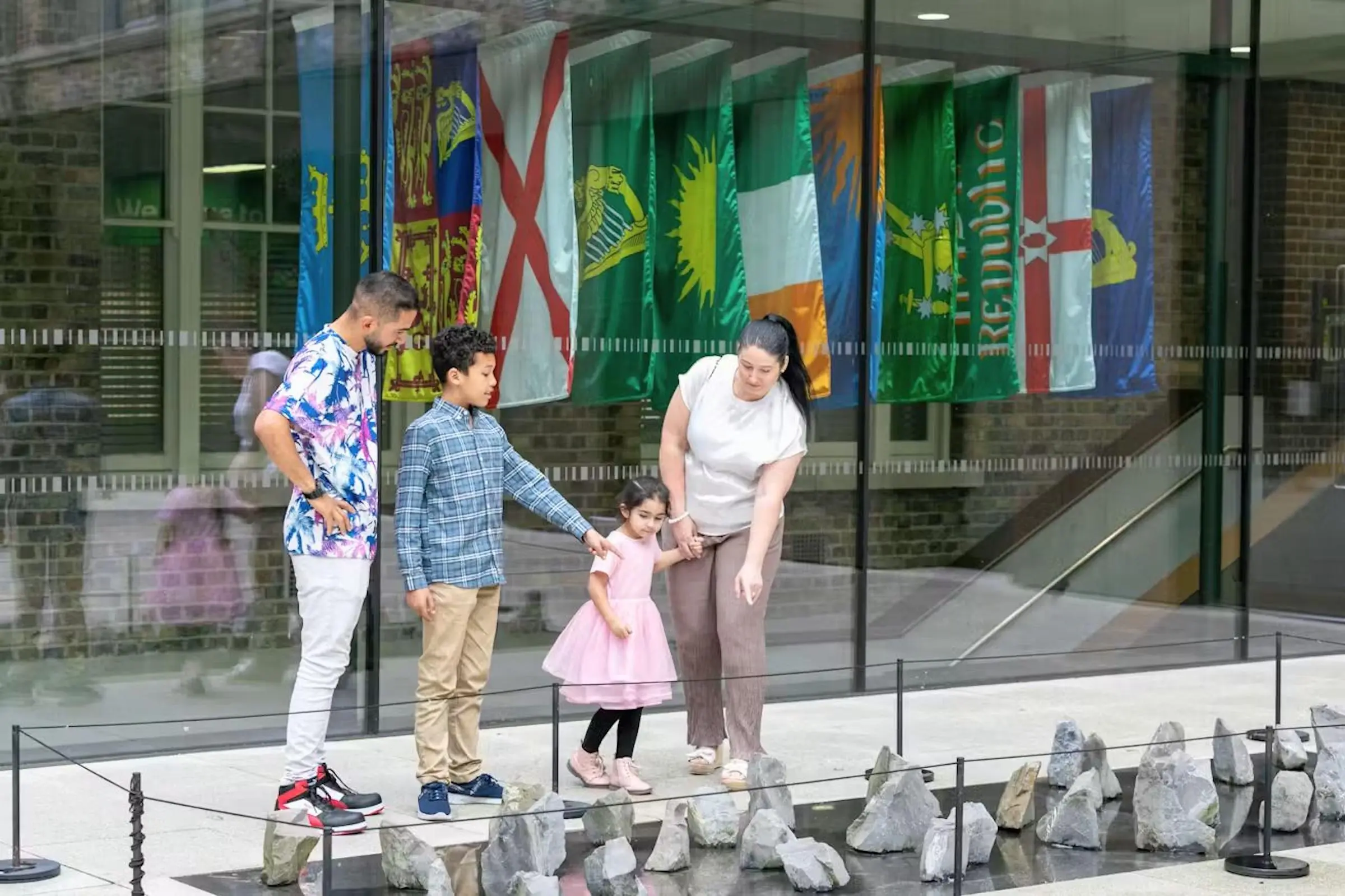
The museum tour concludes in the inner courtyard, an open-air space that offers a quiet moment of reflection. Here, a modern sculptural memorial lists the names of the children who died in the crossfire during the 1916 Rising—a poignant reminder of the civilian cost of the conflict, which is often overshadowed by the military history.
Ticket Options: Independent vs. Guided Tours
You have two main ways to experience the GPO: exploring the museum independently at your own pace, or joining a guided walking tour that uses the GPO as a focal point for a broader 1916 history lesson.
GPO Museum Entry Ticket
- Full access to the interactive exhibition
- Includes the immersive 1916 film experience
- Explore at your own pace (usually 1 to 1.5 hours)
- Audio guides available in multiple languages
1916 Rising Walking Tour + GPO Entry
- 2-hour guided walking tour of 1916 battle sites
- Local historian guide providing deep context
- Includes skip-the-line entry to the GPO Museum
- Ideal for serious history enthusiasts
Which Should You Choose?
Our Verdict on GPO Tickets
- The standard GPO Museum ticket is sufficient for 90% of visitors. The museum’s interactive displays and films are highly self-explanatory.
- Independent entry allows you to linger at the exhibits that interest you most, particularly the detailed timelines of the conflict.
- If you want to understand how the battle moved through the streets of Dublin (Moore Street, the Four Courts, St. Stephen’s Green), the museum alone won’t give you the geographic context. In that case, the 1916 Walking Tour is a better investment.
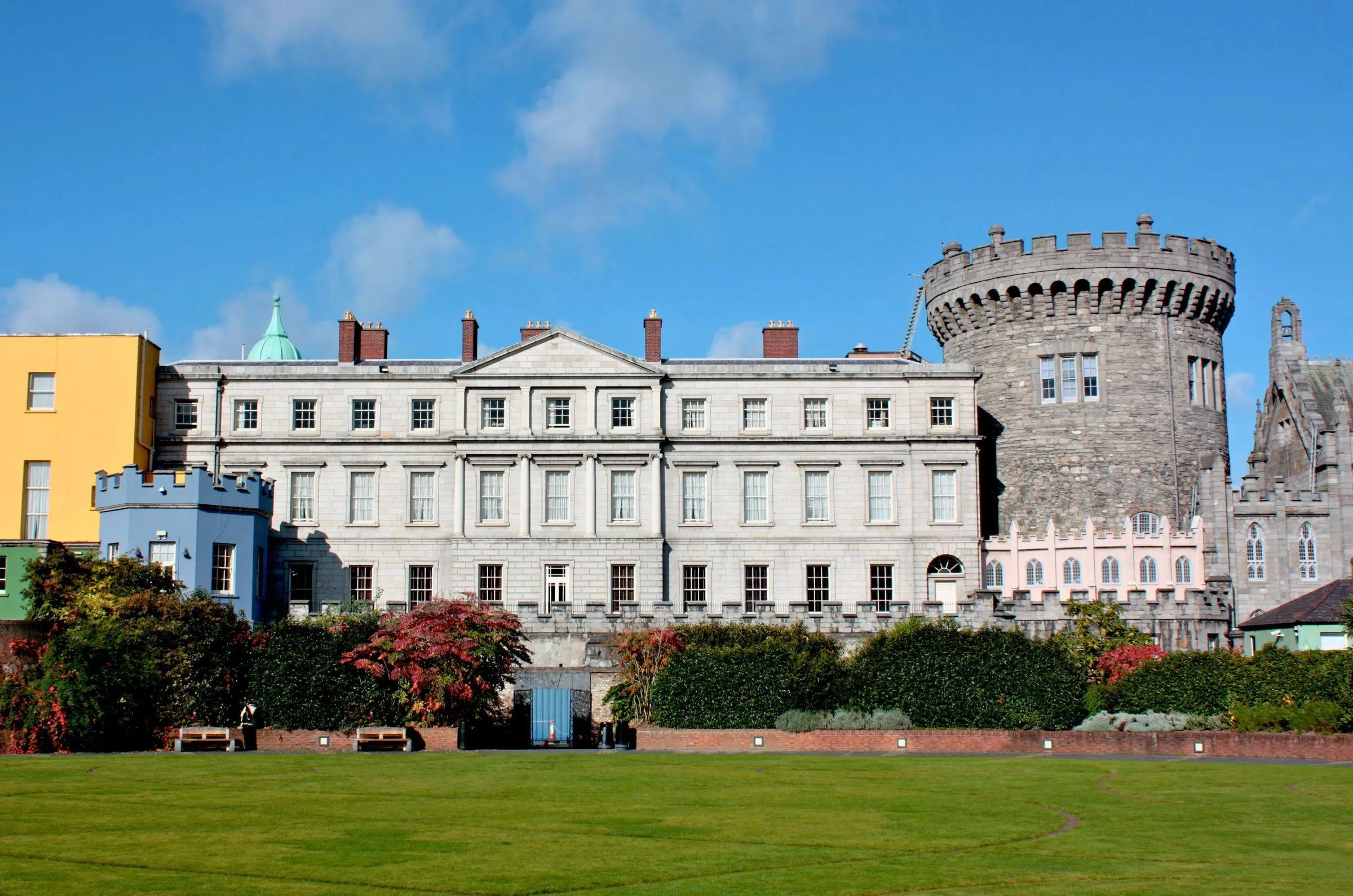
Keep Planning: If you are interested in Ireland’s broader struggle for independence, consider adding a visit to Dublin Castle, which served as the seat of British rule in Ireland for 700 years.
Logistics & Transit Directions
The GPO is impossible to miss. It takes up a massive block on the western side of O’Connell Street, Dublin’s main thoroughfare, right next to the Spire (the 120-meter tall stainless steel monument).
- Address: O’Connell Street Lower, Dublin 1.
- By Luas (Tram): The Green Line stops directly outside the building at the O’Connell - GPO stop. If you are on the Red Line, get off at Abbey Street and walk two minutes north. Read our Luas Guide for ticketing details.
- By Bus: Almost all cross-city bus routes pass through or terminate near O’Connell Street. Routes 1, 11, 16, 46A, and 155 all drop you within a three-minute walk.
- On Foot: The GPO is a 5-minute walk north of the River Liffey (O’Connell Bridge) and a 10-minute walk from Trinity College.
- Entrance: Do not queue at the postal counters. The entrance to the museum is located inside the main portico, but off to the right-hand side (eastern side) of the building. Look for the “GPO Museum” signage.
Watch Your Belongings: O’Connell Street is a busy transit hub with heavy foot traffic. While generally safe during the day, it is a known hotspot for opportunistic pickpockets. Keep your bags zipped and phones secure while standing near the Luas stops outside the GPO.
Local Tips for the GPO
1. Avoid the School Crowds Because of its significance to the Irish curriculum, the GPO Museum is heavily visited by domestic school groups, particularly on weekday mornings between 10:00 AM and 12:30 PM. To avoid the noise, book your entry tickets for 2:00 PM or later.
2. Look Up in the Main Hall Even if you are just passing by, walk into the main public post office hall. The ornate, coffered ceiling was meticulously restored after the 1916 fire. It is one of the most beautiful public interiors in Dublin, and it costs nothing to look at.
3. Combine with Moore Street When the GPO caught fire during the Rising, the rebel leaders tunneled through the walls of the houses on nearby Moore Street to escape. After your museum visit, exit the GPO, turn right onto Henry Street, and take the first right onto Moore Street. It is a historic market street where the final surrender order was given.
4. Coffee Nearby The GPO has a small café in the courtyard, but for better coffee, exit the building, cross O’Connell Street, and head down North Earl Street to Vice Coffee Inc (located inside Wigwam). It serves some of the best specialty coffee in the city center.
Where to Stay Near the GPO
Staying near O’Connell Street puts you right in the middle of Dublin’s transit network, making it incredibly easy to reach the airport, the ferry port, or any of the city’s main attractions. The area immediately north of the GPO can be quite busy and noisy, so look for hotels on the side streets or just south of the river.
Frequently Asked Questions
How long does it take to go through the GPO Museum?
Most visitors spend between 1 hour and 90 minutes inside the museum. This gives you enough time to watch the 15-minute immersive film, read the main exhibition panels, and explore the courtyard memorial. If you read every single document, allow 2 hours.
Is the GPO Museum suitable for young children?
The museum is highly interactive, which helps keep kids engaged, but the core subject matter is an armed rebellion resulting in death and execution. It is generally best suited for children aged 10 and up who have some understanding of history.
Do I need to book GPO tickets in advance?
While it is not strictly mandatory, booking your GPO tickets online is highly recommended during the summer months and on weekends to avoid waiting for the next available entry slot.
Can I just go inside the GPO without paying?
Yes, the front half of the building is a fully operational post office. You can walk into the main hall for free to admire the restored ceiling, buy stamps, and see the Cúchulainn statue. You only need a ticket to enter the dedicated museum exhibition on the eastern side.
Is the GPO Museum wheelchair accessible?
Yes, the GPO Museum is fully wheelchair accessible. There are elevators to access the different levels of the exhibition, and the courtyard is flat. Accessible restrooms are also available on-site.
Are the bullet holes on the outside of the GPO real?
Yes. The pockmarks on the stone columns of the portico facing O’Connell Street are genuine damage from the 1916 Easter Rising. The British army used artillery and machine guns to suppress the rebellion, and the scars were intentionally left during the building’s restoration as a historical marker.