For decades, Dublin has punched well above its weight in the global music scene, and much of that heavy lifting happened behind the soundproofed doors of Windmill Lane Recording Studios. Often referred to simply as “the U2 studio,” this facility is responsible for the soundtracks of millions of lives.
Unlike many music museums that feel like static shrines to the past, Windmill Lane is a working, breathing commercial recording studio. When you take a Windmill Lane Recording Studios Tour, you are walking through the exact rooms where artists might have been recording just hours prior.
This guide breaks down exactly what to expect, how to secure entry tickets, and how to navigate the local geography—because the studio’s actual location is a common point of confusion for first-time visitors.
Because Windmill Lane is an active commercial recording facility, tours are strictly scheduled around recording sessions. You cannot simply walk in off the street for a look around. You must book your guided tour in advance.
The “Two Windmills” Confusion: A Brief History
Before you map your route, you need to know a crucial piece of local trivia. The original Windmill Lane Studios opened in 1978 and was actually located on a street called Windmill Lane in the Docklands neighborhood. This is where U2 recorded their early albums, including Boy, October, and War. The exterior walls of that original building became a famous graffiti-covered pilgrimage site for fans.
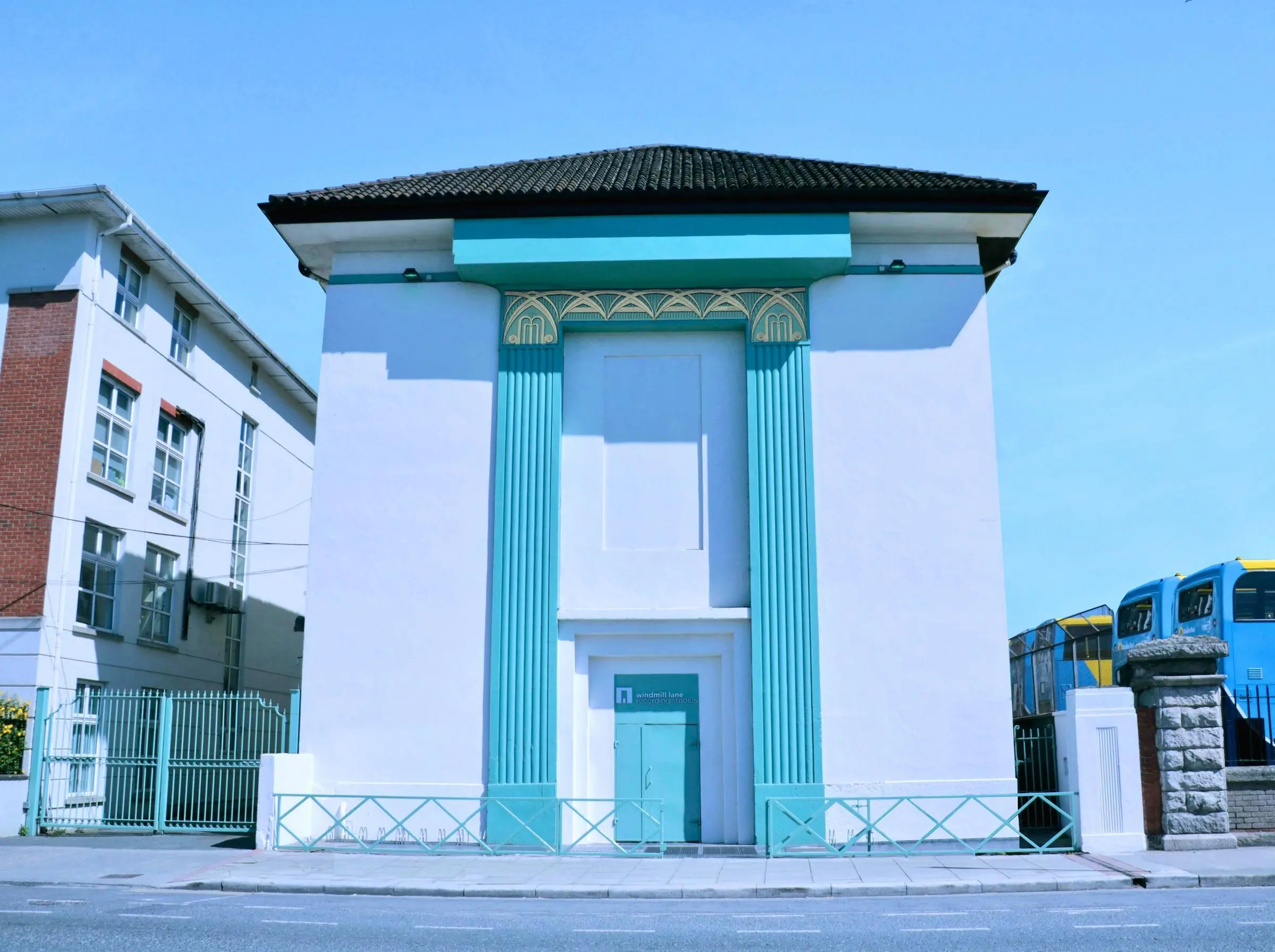
However, in 1990, the studio relocated to a larger, state-of-the-art facility in an old tram powerhouse on Ringsend Road. They kept the famous “Windmill Lane” name despite the move. The original building on Windmill Lane was eventually demolished in 2015 to make way for office blocks.
When you book a studio tour today, you are visiting the Ringsend Road location. While it isn’t the building where U2 recorded their 1980s debut, it is the building where they recorded Achtung Baby, All That You Can’t Leave Behind, and where artists like David Bowie, Kate Bush, The Cranberries, Hozier, and Lady Gaga have worked.
5 Architectural & Cultural Highlights
The tour of Windmill Lane is highly focused on the art, science, and history of sound recording. Here are five specific highlights you will encounter inside.
1. Studio 1: The Live Room
Studio 1 is the crown jewel of the facility. It is one of the largest recording rooms in Ireland, capable of holding a full 80-piece orchestra. When you walk in, notice the massive wooden acoustic panels and the sheer height of the ceiling. The room is designed to capture the “air” around acoustic instruments. This is where the sweeping orchestral scores for films like The Mask and A Room with a View were recorded, as well as massive drum tracks for rock bands.
2. The Neve VR Legend Console
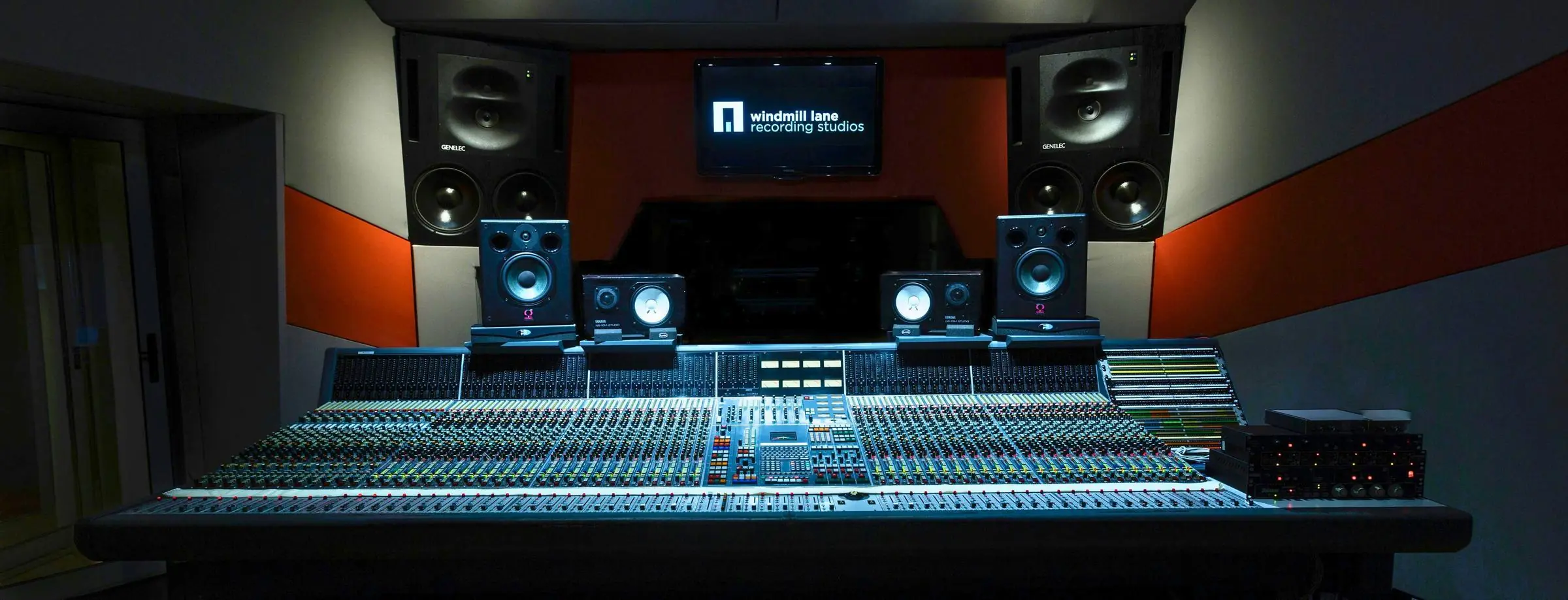
In the control room of Studio 1 sits a massive, 72-channel Neve VR Legend mixing console. For audiophiles, this is equivalent to seeing a vintage Ferrari. Analog desks like this are increasingly rare in the digital age, prized for the “warmth” they add to audio signals. During the tour, guides often explain how producers physically route sound through this massive board, giving you a tangible sense of how complex analog recording really is.
3. The Interactive Mixing Experience
One of the most engaging parts of the guided tour is the interactive mixing session. Visitors are brought into a control room and given the chance to play with the individual “stems” (isolated tracks of vocals, drums, bass, and guitar) of a famous song recorded at the studio. You get to push the faders up and down, isolating David Bowie’s raw vocal take or muting The Edge’s guitar to hear the rhythm section underneath.
4. Studio 2: The Modern Hub
While Studio 1 is built for massive live performances, Studio 2 represents the modern era of pop and electronic production. It has a tighter, more controlled acoustic environment. This is the space favored by solo artists and pop producers. Ed Sheeran, Lady Gaga, and Kylie Minogue have all utilized this space. The contrast between the cavernous Studio 1 and the intimate Studio 2 perfectly illustrates how recording techniques have evolved.
5. The Tape Machine Archive
Before Pro Tools and digital hard drives, music was recorded onto massive reels of magnetic tape. Windmill Lane has preserved several of these multi-track tape machines (like the legendary Studer A827). The guides do an excellent job of explaining the physical reality of editing tape with razor blades—a stark reminder of the craftsmanship required to make a record before the invention of the “undo” button.
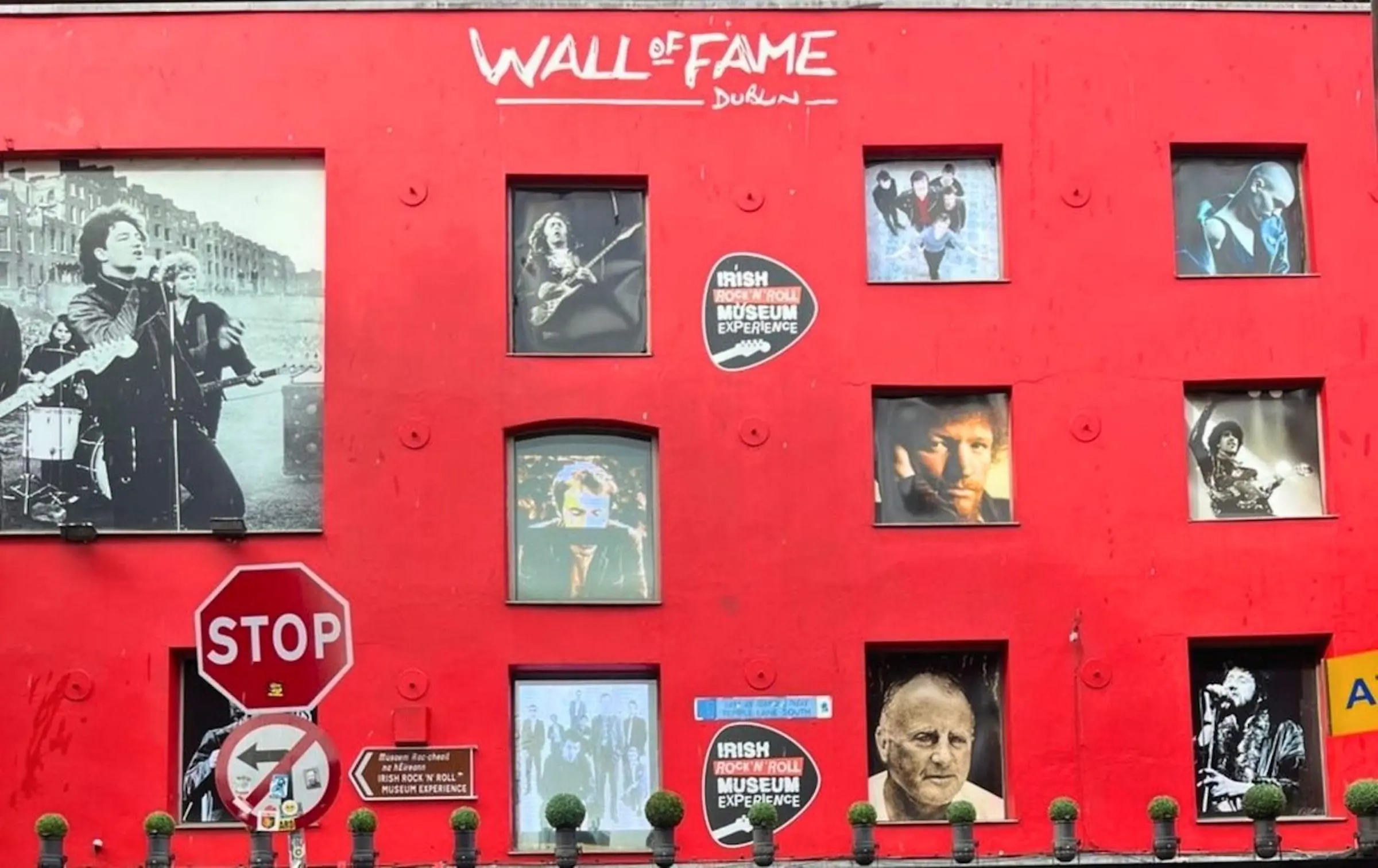
Keep Planning: If you are interested in the broader history of Irish music, consider pairing this visit with a trip to the Irish Rock ‘n’ Roll Museum in Temple Bar.
Ticket Options & Tour Comparison
Because this is a working studio, there is no “independent entry” or self-guided option. You must be accompanied by a studio guide at all times.
Windmill Lane Studio Tour
- 1-hour fully guided tour
- Access to Studios 1, 2, and 3 (subject to recording schedules)
- Interactive mixing desk experience
- History of the building and artists
The Dublin Pass
- Includes Windmill Lane Studio Tour
- Entry to 35+ other Dublin attractions
- Includes Hop-on Hop-off bus
- Best if you plan to visit 3+ major sites a day
Schedule Changes: Because commercial recording clients always take priority, the exact rooms you see on the tour can occasionally change at the last minute. If Hozier decides he needs Studio 1 for an emergency vocal take, the tour will route around it. The guides are excellent at pivoting and ensuring you still get a full experience.
Audience Segmentation: Is This Tour For You?
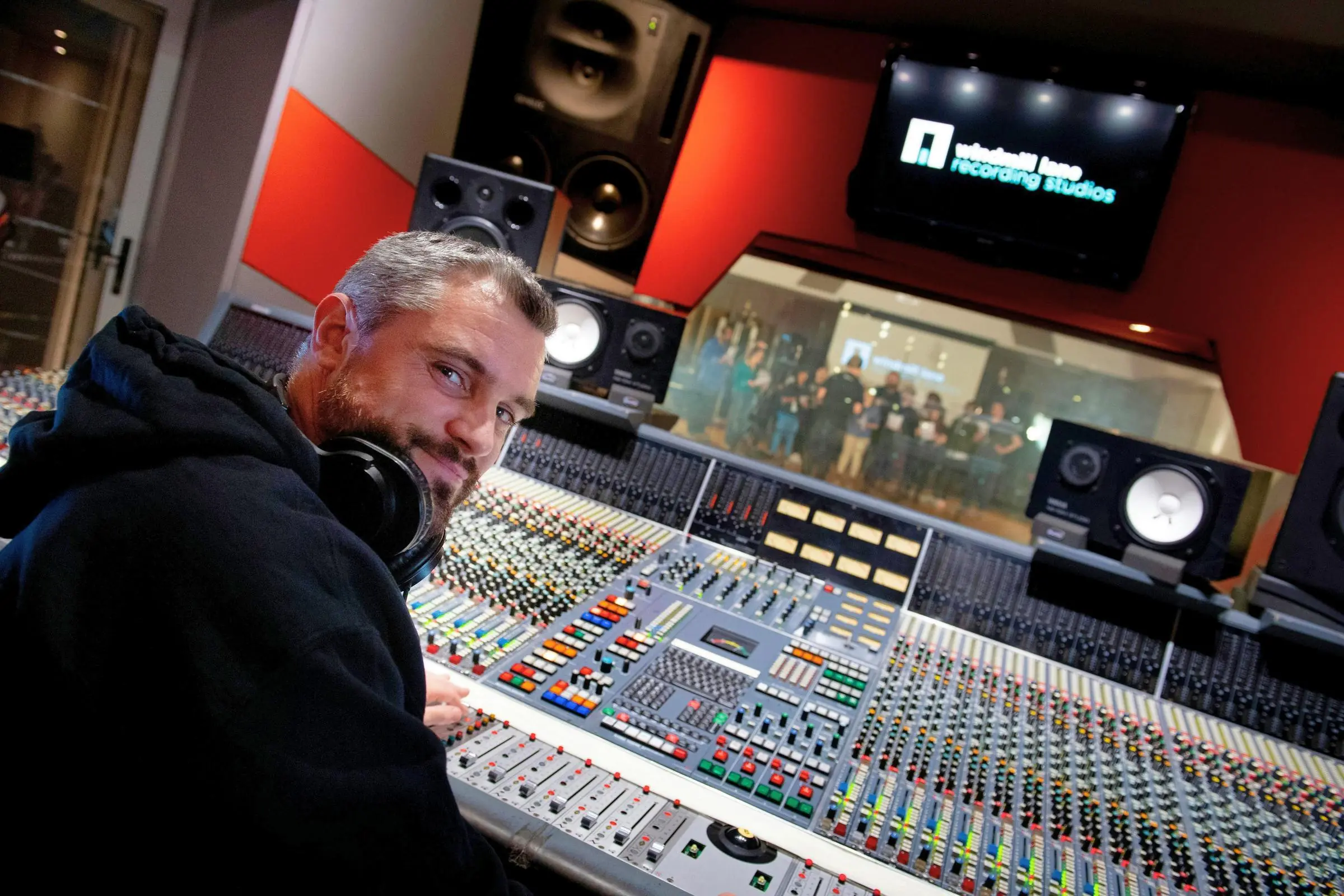
For the Audiophile & Musician: This is your holy grail in Dublin. The guides are usually audio engineering students or working engineers themselves. Don’t be afraid to ask highly technical questions about microphone placement, outboard gear, or the specific acoustics of the live rooms. They love talking shop.
For the Casual U2 Fan: You will enjoy the history and the stories, but manage your expectations: this is not a U2 museum. There are no glass cases filled with Bono’s sunglasses or The Edge’s guitars. It is a technical space focused on the process of making music.
For Families with Teenagers: If you have teenagers who make beats on their laptops or are interested in music production, this tour is incredibly inspiring. The interactive mixing desk segment usually holds the attention of even the most easily bored teens.
For the Time-Poor Traveler: The tour is a strict 60 minutes. It starts on time and ends on time. If you are trying to squeeze it into a busy itinerary, it pairs perfectly with a morning exploring the nearby Docklands neighborhood or the EPIC Museum.
Logistics: Getting There & Getting Around
Windmill Lane Recording Studios is located at 20 Ringsend Road, Dublin 4. It sits at the intersection of the historic Grand Canal Dock area and the residential neighborhood of Ringsend.
- By DART (Train): This is the easiest method. Take the DART to Grand Canal Dock Station. From the station exit, turn right onto Barrow Street, walk to the end, and turn right onto Ringsend Road. The studio is a 4-minute walk from the station. Read our DART Train Guide for ticketing info.
- By Bus: Dublin Bus routes 1, 15a, 47, 56a, and 77a all stop very close to the studio on Ringsend Road.
- Walking: If you are staying in the city center (e.g., near Trinity College), it is a flat, pleasant 20-minute walk straight down Pearse Street, which turns into Ringsend Road.
- Accessibility: The studio is fully wheelchair accessible. There are ramps and an elevator to move between the different levels of the facility.
Local Tips
- Book the First Tour of the Day: If you want the best chance of seeing all the rooms empty, book the earliest morning slot. Commercial recording sessions often start later in the day or run late into the night.
- Pre-Tour Coffee: There is no cafe inside the studio. Grab a coffee beforehand at The Art of Coffee in the Alto Vetro building at Grand Canal Dock, just a 5-minute walk away. It offers great views of the water and the modern tech-hub architecture.
- Combine with the Docklands: After your tour, walk 10 minutes across the river to see the Jeanie Johnston Tallship or visit the EPIC Irish Emigration Museum.
- Watch Your Bags: Ringsend Road is a busy thoroughfare. While it is generally safe, standard city precautions apply. Keep your bags zipped, especially when waiting at the bus stops outside.
Where to Stay Nearby
If you want to stay near the studio, look for accommodations in the Grand Canal Dock or Ballsbridge areas. This part of Dublin is slightly removed from the chaotic nightlife of Temple Bar, offering a quieter, more modern stay with excellent restaurants.
Frequently Asked Questions
Is this the original building where U2 recorded their first albums?
No. The original Windmill Lane Studios was located on Windmill Lane and was demolished in 2015. The studio moved to its current location on Ringsend Road in 1990, where U2 and many others continued to record.
Will I see any famous musicians on the tour?
It is highly unlikely. While the studio is actively used by major artists, their recording sessions are kept strictly private, and tours are routed to avoid disturbing them.
Can I play the instruments in the studio?
Generally, no. The instruments and microphones are highly sensitive, expensive equipment set up for specific recording sessions. However, you will get hands-on experience using the interactive mixing desk in one of the control rooms.
How long does the guided tour take?
The tour lasts exactly one hour. Because it is a working studio, guides keep to a strict schedule to ensure tours do not overlap with incoming recording clients.
Is the Windmill Lane tour included in the Dublin Pass?
Yes, standard entry to the Windmill Lane Recording Studios Tour is currently included in the Dublin Pass. You still need to book your specific time slot in advance.
Is there a gift shop?
Yes, there is a small merchandise area at the reception desk selling Windmill Lane branded t-shirts, mugs, and some music-related souvenirs.
Ready to explore Dublin's music history?
Tours of Windmill Lane Recording Studios frequently sell out, especially during the summer months and on weekends. Secure your spot in advance to guarantee entry into these legendary rooms.