Tucked down a narrow, cobbled street in the middle of Dublin’s busiest nightlife district, the Irish Rock ‘n’ Roll Museum is not your typical glass-case exhibition. It is housed within a sprawling complex that includes Temple Lane Studios and The Button Factory, a fully operational live music venue.
When you visit, you aren’t just looking at old guitars; you are walking through the exact corridors, rehearsal rooms, and recording booths where bands like U2, Thin Lizzy, The Script, and Hozier have played, argued, and recorded. Because these are active working spaces, the experience feels a bit gritty, authentic, and deeply connected to Dublin’s modern cultural pulse.
This guide covers everything you need to know to plan your visit, from understanding why you can’t just wander in independently, to navigating the heavy crowds in the surrounding Temple Bar neighborhood.
Because the museum routes through active recording studios and a live music venue, independent exploration is not allowed. You must join a guided tour. Tours are capped at small groups (usually around 15 people) so they don’t disrupt the musicians working in the building. Booking your guided tour in advance is highly recommended, especially on weekends.
Is the Irish Rock ‘n’ Roll Museum for You?
Before you secure your entry tickets, it helps to know how the experience aligns with your travel style.
- For Music Nerds: This is a highly technical and historical look at the Irish music industry. The guides are almost always local musicians who can talk at length about mixing desks, acoustics, and the reality of gigging in Dublin. You will get a lot out of this.
- For Families: While younger kids might not recognize the 1970s and 80s bands featured heavily in the exhibits, the tour ends with an interactive “jam session” where visitors can dress up and play instruments in a rehearsal room. This hands-on element usually keeps teenagers and older children engaged.
- For the Time-Poor: The tour takes exactly 75 minutes. Because it is guided, you cannot rush through it in 30 minutes, nor can you linger for three hours. If you have a tight itinerary, this predictability is actually a major advantage.
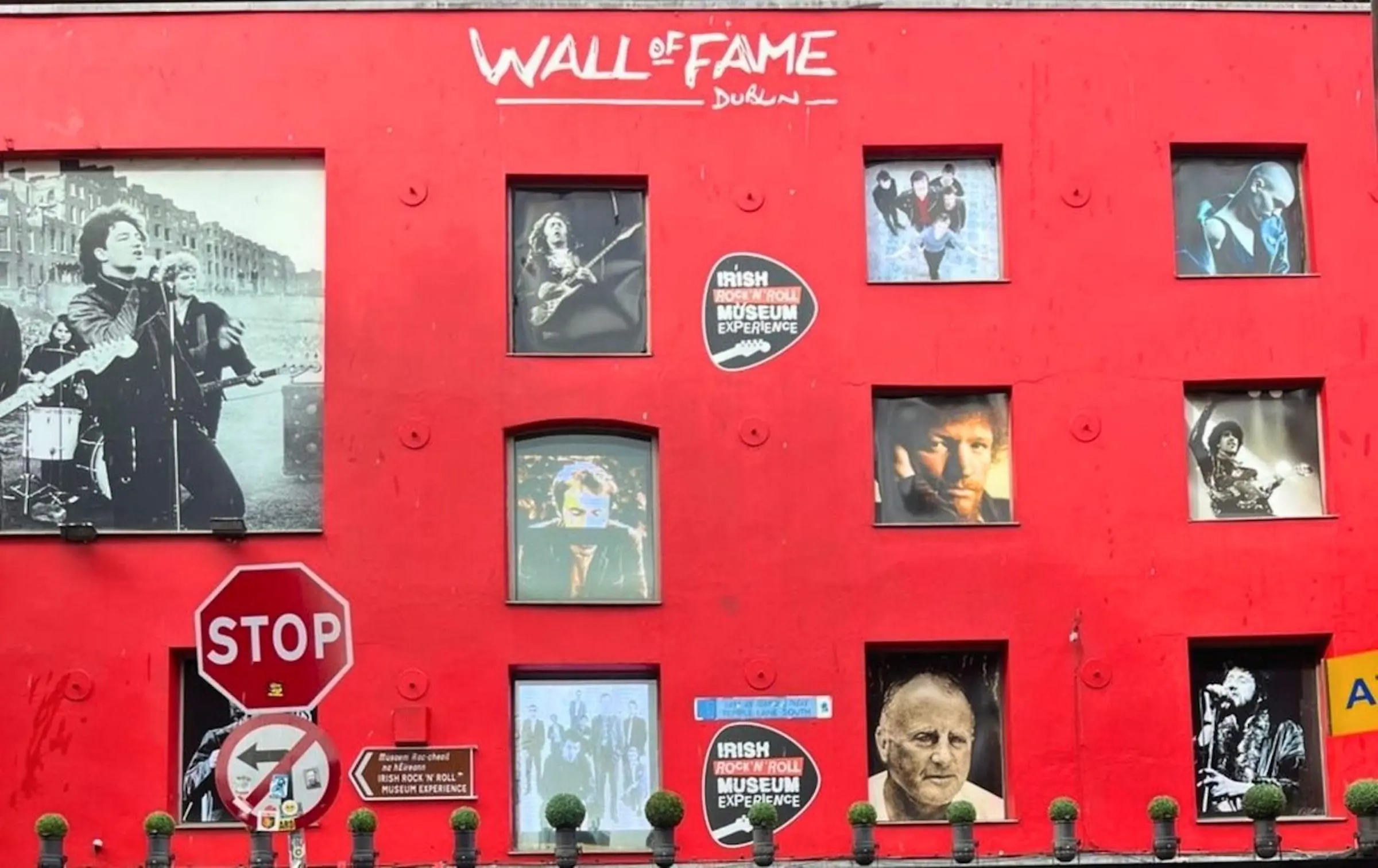
- For Budget Travelers: At around €22, it is priced similarly to other major Dublin attractions. If you are strictly watching your wallet, you can view the famous “Wall of Fame” on the building’s exterior for free, though you won’t see the studios inside.
Historical Significance: More Than Just a Museum
To understand the Irish Rock ‘n’ Roll Museum, you have to understand the building it occupies. In the 1980s, the Temple Bar area was slated for demolition to make way for a massive bus terminal. While the government bought up the properties, they rented them out cheaply on short-term leases. Artists, musicians, and independent record shops flooded the area, creating a vibrant, underground cultural quarter.
Temple Lane Studios was born out of this era. It became a crucial incubator for Irish talent. Even after Temple Bar was “saved” and subsequently commercialized into the tourist hub it is today, this building remained a working facility. The Button Factory (formerly the Temple Bar Music Centre) was integrated into the complex, creating a pipeline where a band could rehearse in the basement, record an album upstairs, and launch it on the main stage next door.
The museum was layered over this working infrastructure to allow the public to see the mechanics of the Irish music industry without shutting down the studios themselves.
5 Architectural and Cultural Highlights
The tour moves through several distinct zones of the building. Here is a deep-dive into what you will actually see.
1. The Temple Lane Rehearsal Rooms
You will head down into the basement to see the rehearsal spaces. These rooms smell like old amps and soundproofing foam. They are not polished for tourists; they are scuffed, heavily used, and plastered with setlists and stickers. This is where bands come to hash out new material before taking it to the recording studio. Standing in these tight, acoustically deadened rooms gives you a real sense of the unglamorous hard work that goes into making music.
2. Apollo Recording Studios
This is the crown jewel for audiophiles. Apollo Studios is a high-end, working recording facility. Depending on the studio’s schedule, your guide will take you into the live room (where the musicians play) and the control room. You’ll see the massive, complex mixing desks and outboard gear used to track and mix albums. The guides explain the analog vs. digital recording process, making the technical side of music production accessible even if you don’t know what a compressor does.
3. The Thin Lizzy Exhibition
Phil Lynott and Thin Lizzy are Dublin rock royalty, and the museum dedicates a significant amount of space to their legacy. You’ll find an impressive collection of memorabilia, including Lynott’s bass guitars, original flight cases, handwritten lyrics, and iconic stage outfits. The exhibit contextualizes how a mixed-race kid from working-class Dublin became one of the greatest frontmen in rock history.
4. The Button Factory Stage
Most people only see a music venue from the crowd. On this tour, you get to walk out onto the stage of The Button Factory, a 600-capacity venue that hosts both local acts and international touring bands. Looking out at the empty floor from the perspective of the performer, surrounded by stage monitors and lighting rigs, is a unique shift in perspective.
5. The Interactive Jam Room
At the end of the tour, the group is led into a room fully equipped with electric guitars, basses, keyboards, and an electronic drum kit. Visitors are encouraged to pick up the instruments (no musical talent required), throw on some provided stage props, and take photos. It’s a lighthearted, chaotic way to end the heavy historical and technical information of the previous hour.
Ticket Options: Independent vs. Guided
As mentioned, there is no independent entry to the Irish Rock ‘n’ Roll Museum. You must purchase a ticket for a specific tour time.
When booking, you have a few options depending on which platform you prefer to use. Prices are generally identical across platforms, but availability for specific time slots can vary.
Irish Rock 'n' Roll Museum Experience
- 75-minute guided tour
- Access to working studios
- Interactive jam session
- Instant mobile ticket delivery
Museum Tour in English
- 75-minute guided tour
- Access to working studios
- Flexible cancellation (up to 24 hours)
- Good if Tiqets is sold out
A Note on Studio Availability: Because Apollo Studios and the rehearsal rooms are active commercial spaces, access is never 100% guaranteed. If a high-profile band has booked the studio for a closed session, the tour route will bypass that specific room. The guides are excellent at pivoting and providing extra stories to make up for it, but it is a reality of visiting a working facility.
Transit Directions: Getting There
The museum is located at Curved Street, Temple Bar, Dublin 2. Because Temple Bar is largely pedestrianized and features narrow, one-way cobbled streets, do not attempt to drive or take a taxi directly to the door.
- Walking: The museum is incredibly central. It is a 5-minute walk from Trinity College and a 10-minute walk from Dublin Castle.
- By Luas (Tram): Take the Green Line to the Westmoreland stop or the Red Line to the Jervis stop. From either stop, it is about a 6-minute walk into Temple Bar.
- By Bus: Almost any bus that crosses the city center will drop you near the River Liffey (Aston Quay or Wellington Quay) or Dame Street. From there, it’s a 3-minute walk into the neighborhood.
- Hop-On Hop-Off: If you are using a sightseeing bus, hop off at the Dame Street or College Green stops.
For more details on navigating the city, check our public transport guide.
Local Tips for Temple Bar
The Irish Rock ‘n’ Roll Museum is located in the absolute epicenter of Dublin’s tourist district. Temple Bar is famous for its pubs, but it is also infamous for heavy crowds, expensive pints, and rowdy stag/hen parties.
- Book the Earliest Tour: If you want to experience the museum and the surrounding neighborhood without the chaos, book the first tour of the day (usually around 11:00 AM). Temple Bar is surprisingly peaceful and charming before 1:00 PM.
- Watch Your Step: The cobblestones on Curved Street and Temple Lane South are uneven and can be incredibly slick when it rains. Wear sensible shoes.
- Eat Elsewhere: While there are a few good spots in Temple Bar, the majority of the pubs and restaurants immediately surrounding the museum charge a premium “tourist tax.” Walk 10 minutes south toward George’s Street or west toward The Liberties for better, cheaper food.
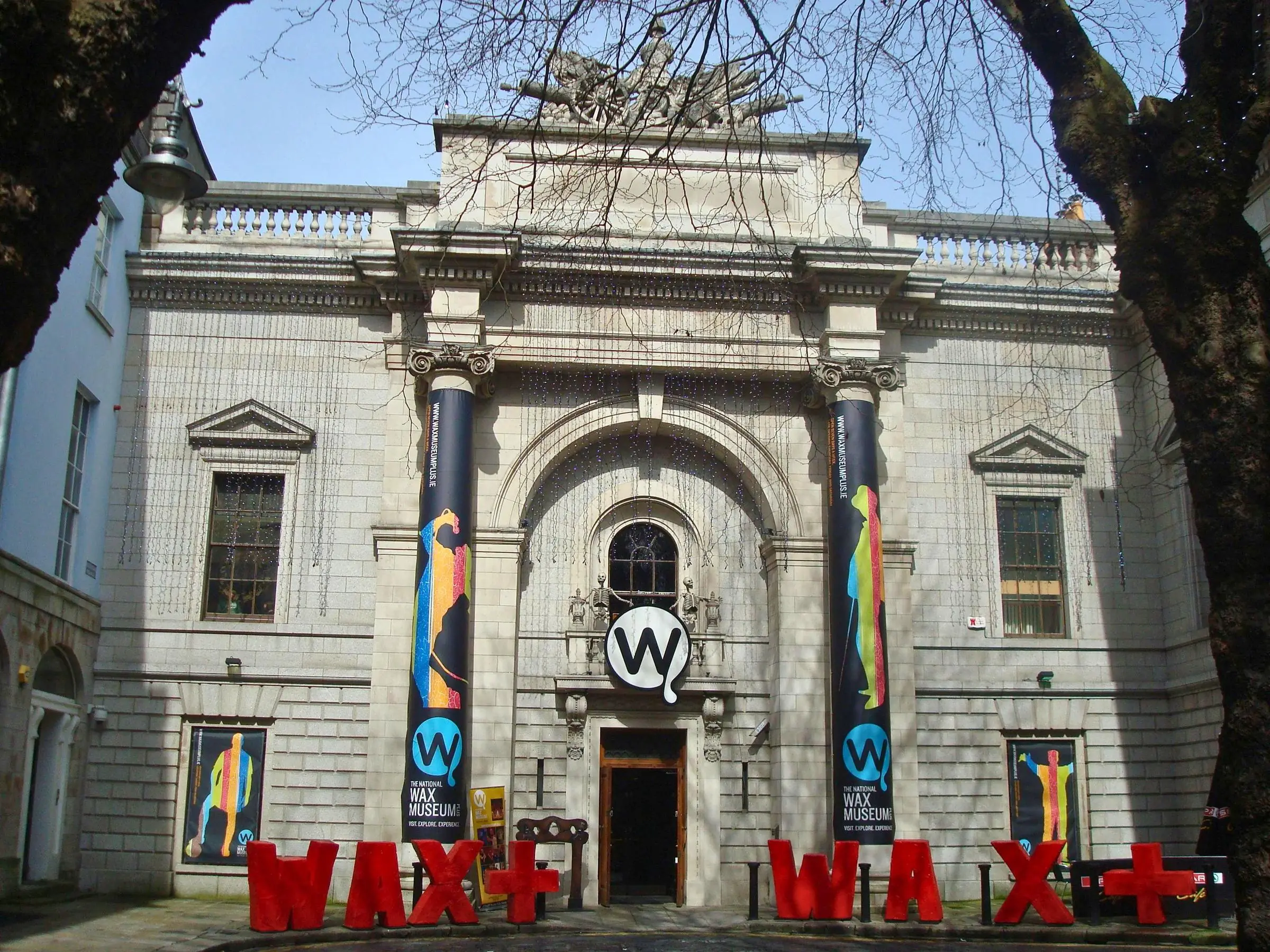
- Combine with the Wax Museum: The National Wax Museum Plus is located just a few streets away. If you are traveling with teenagers, doing both makes for an easy, walking-distance afternoon.
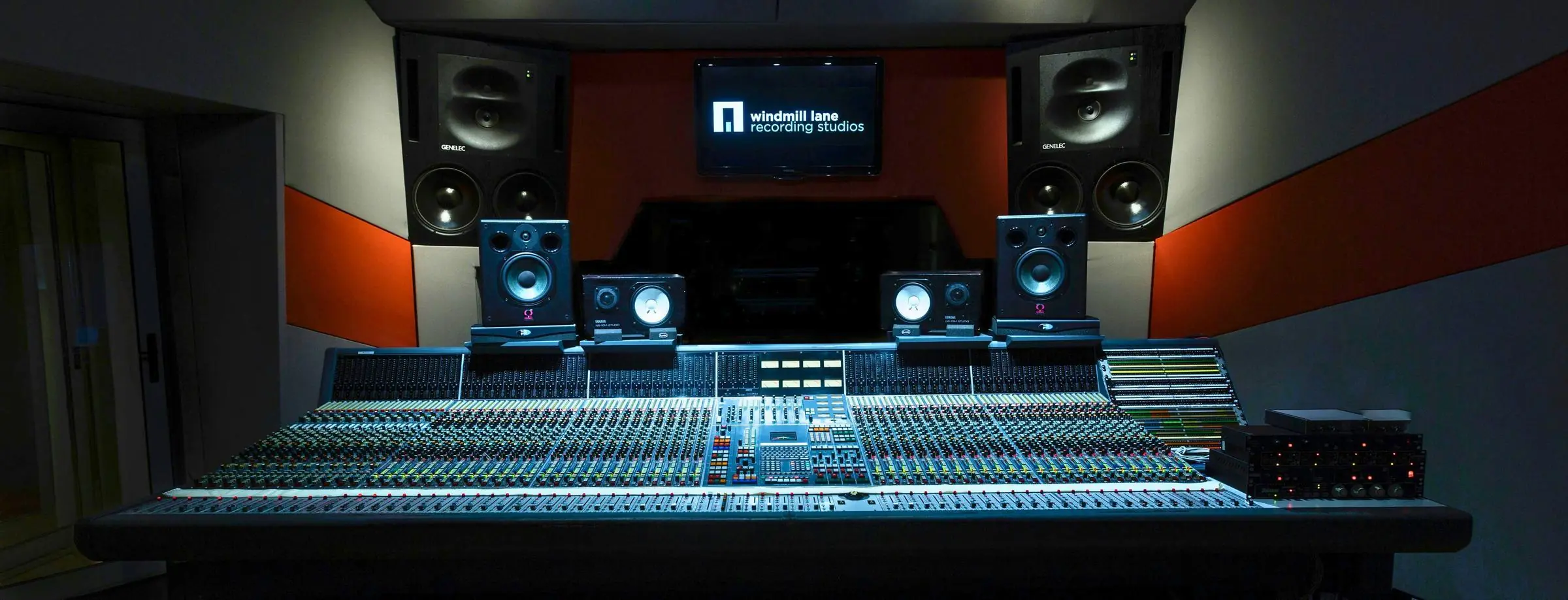
Keep Planning: If you are interested in Dublin’s recording history, you should also read our guide to Windmill Lane Recording Studios. While the Rock ‘n’ Roll Museum focuses on the gritty live scene, Windmill Lane offers a deeper dive into high-end studio production.
Where to Stay Nearby
Staying in Temple Bar means you are right in the middle of the action, but it also means dealing with late-night street noise. If you want to be close to the museum but prefer a quieter night’s sleep, look for hotels just south of Dame Street or across the river on the North Quays.
Frequently Asked Questions
Can I just walk in and look around without a guide?
No. Because the building houses active recording studios and a live music venue, independent exploration is strictly prohibited for security and noise reasons. You must book a guided tour.
How long does the tour take?
The guided tour takes approximately 75 minutes from start to finish.
Is the museum wheelchair accessible?
The building is historic and multi-level. While there are elevators, some of the older rehearsal spaces and specific studio booths have tight corners or small steps. It is highly recommended to contact the museum directly before booking to discuss specific mobility requirements.
Will I see U2 recording an album?
Almost certainly not. While famous bands do use the facilities, their sessions are strictly closed. If a major artist is in the building, the tour will be routed away from that specific studio to ensure their privacy.
Is this the same as Windmill Lane Studios?
No. Windmill Lane is a separate, highly famous recording studio located in the Docklands area, best known for its association with U2. The Irish Rock ‘n’ Roll Museum is located in Temple Bar and focuses on Temple Lane Studios, The Button Factory, and the broader history of Irish rock music.
Can I take photos during the tour?
Yes, photography is encouraged in almost all areas, especially in the interactive jam room and the Thin Lizzy exhibition. Your guide will let you know if you are entering a specific working area where photos are temporarily restricted.