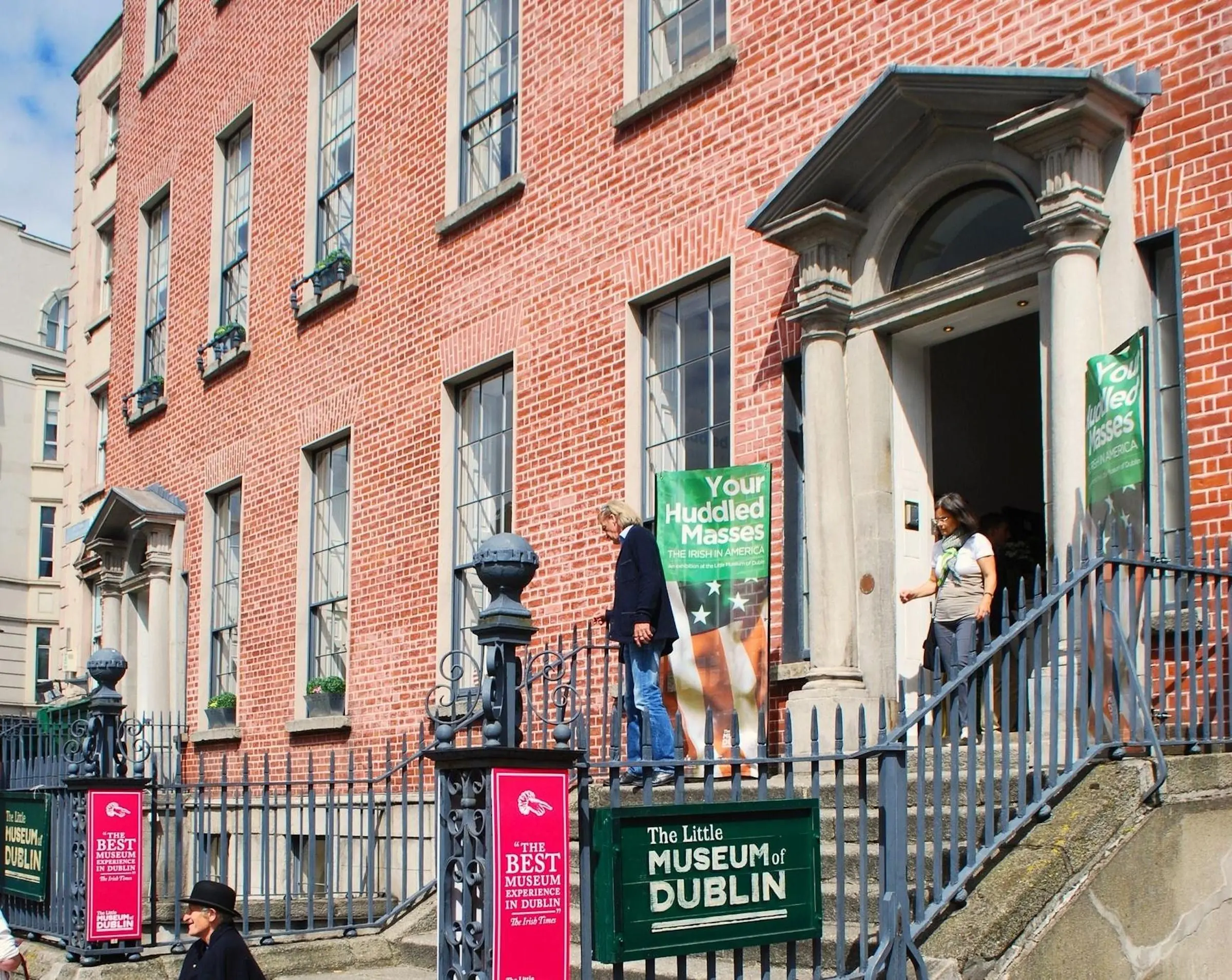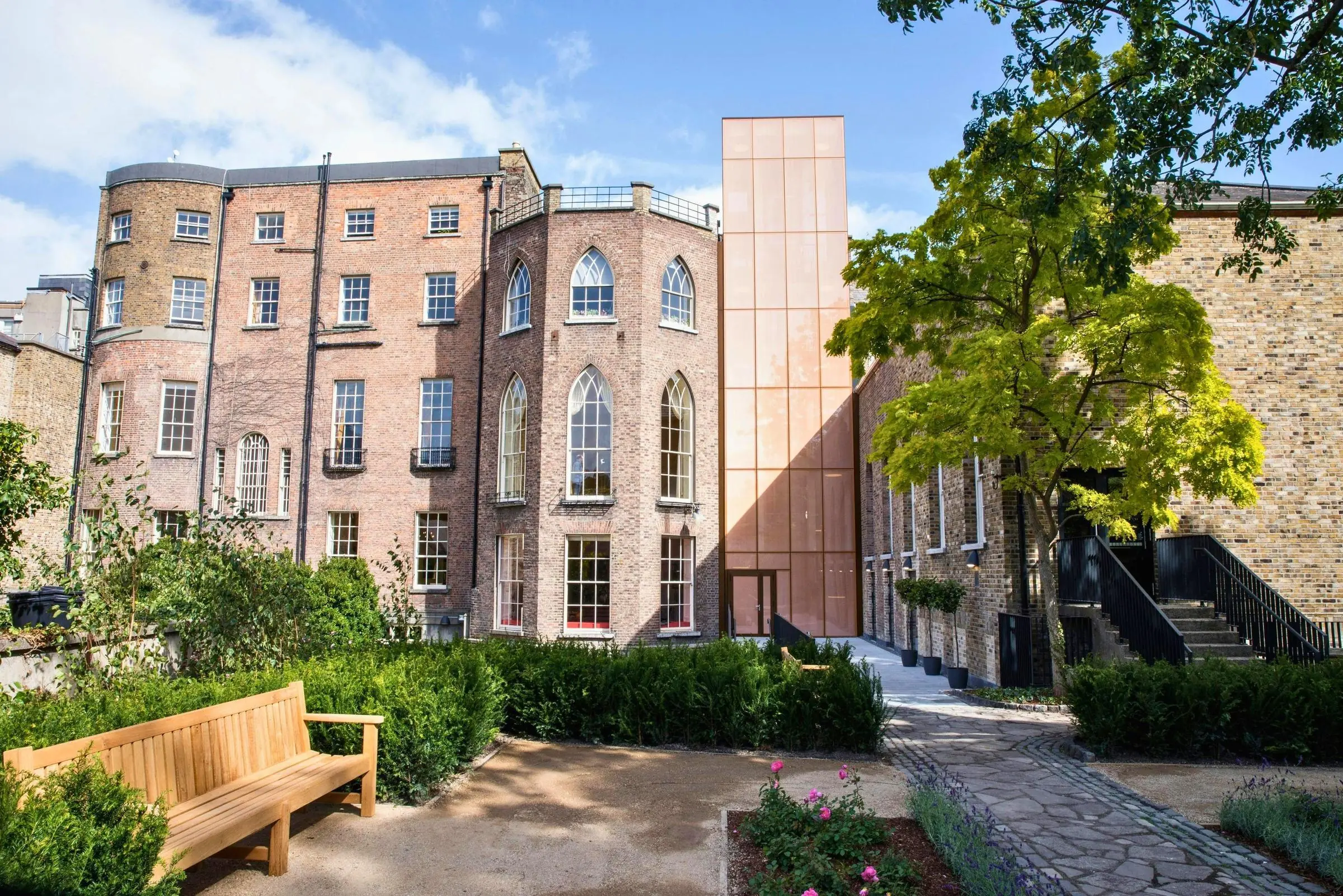
The Museum of Literature Ireland—commonly known as MoLI—opened in 2019, making it one of Dublin’s newer cultural institutions. Located on the south side of St Stephen’s Green, it occupies the historic Newman House, the original site of University College Dublin (UCD) where James Joyce once studied.
Unlike traditional museums that rely heavily on static glass cases, MoLI uses immersive audio, digital broadcasting, and interactive installations to explore Ireland’s deep storytelling roots. While James Joyce is the central figure, the museum covers a broad spectrum of Irish writers, from medieval poets to contemporary novelists.
Whether you are a dedicated Joycean looking to see “Copy No. 1” of Ulysses or simply someone looking for a quiet courtyard cafe away from the noise of the city center, this guide covers the logistics of planning your visit.
Is MoLI Right for You?
Before you book your tickets, it helps to know how the museum fits into different travel styles.
- For the Time-Poor: You can comfortably see the main highlights of MoLI in about 60 to 90 minutes. If you are rushing, prioritize the ground floor (which houses the Ulysses exhibit) and grab a coffee in the courtyard. It pairs easily with a walk through the St Stephen’s Green neighborhood.
- For Families: MoLI is highly visual and auditory, which keeps older children engaged, but it is fundamentally a museum about words and literature. Toddlers and very young children might find it lacking in physical play areas, though the outdoor Reader’s Garden offers a safe space to run around.
- For Budget Travelers: At €14.50, the standard entry is reasonably priced compared to other major Dublin attractions. However, if you are planning to visit multiple sites, MoLI is included in the Dublin Pass, which can save you money if you bundle it with the Guinness Storehouse or the Little Museum of Dublin.
- For Hardcore Literature Fans: This is your priority stop. The museum holds significant artifacts from the National Library of Ireland’s collections, and the building itself is steeped in literary history.
5 Architectural & Cultural Highlights
MoLI is a blend of 18th-century Palladian architecture and modern exhibition design. Here are five specific areas to focus on during your visit.
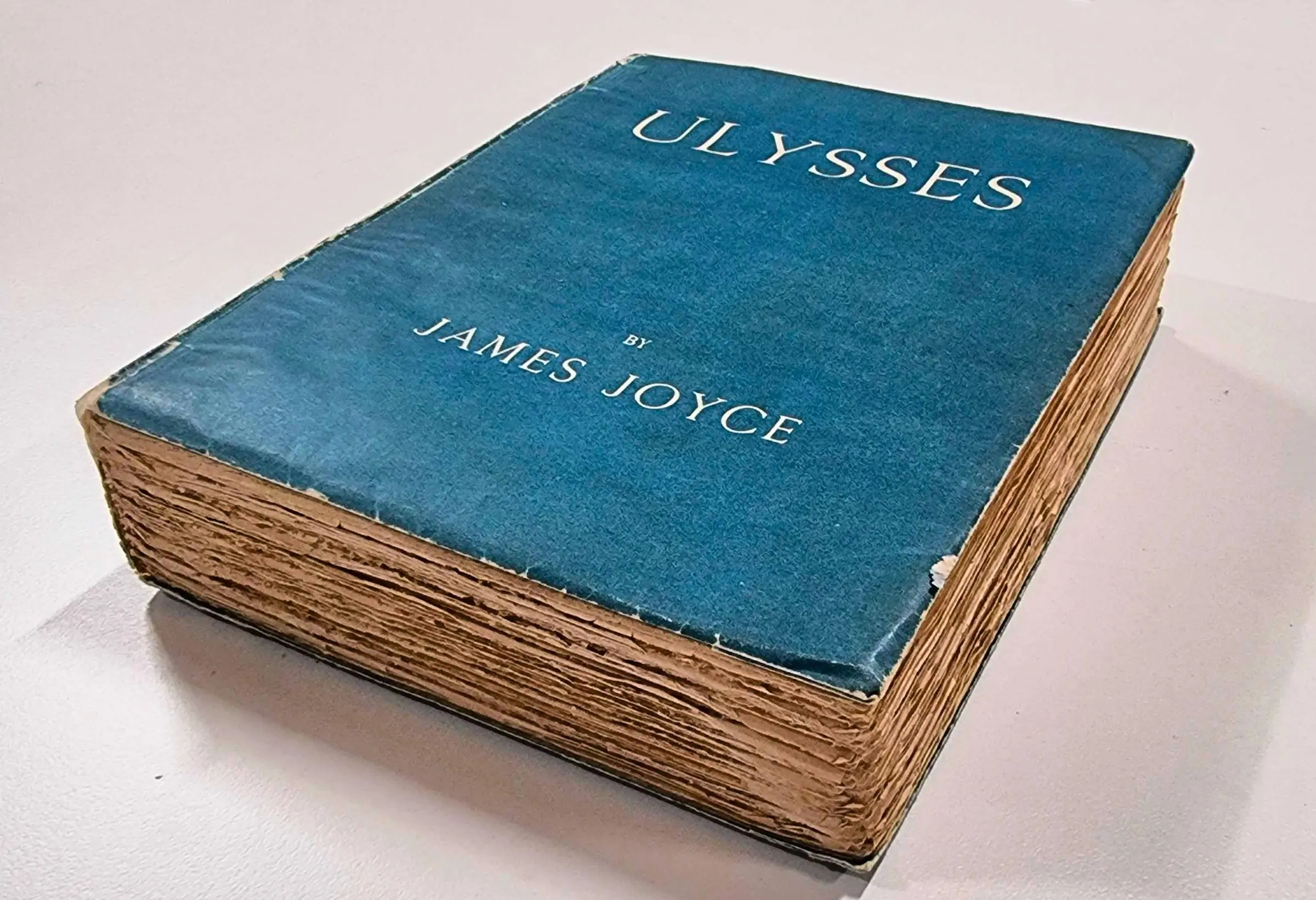
1. “Copy No. 1” of Ulysses
The undisputed centerpiece of the museum is the very first copy of James Joyce’s Ulysses. Printed in Paris by Sylvia Beach in 1922, this specific edition was given by Joyce to his patron, Harriet Shaw Weaver. It is displayed in a dedicated, climate-controlled room. The exhibit breaks down the complex history of the book’s publication, censorship, and eventual recognition as a modernist masterpiece.
2. The Riverrun of Language
Located early in the exhibition route, this immersive audio-visual installation surrounds you with a cascade of words. It traces the evolution of Irish storytelling from ancient oral traditions and Ogham stones to contemporary spoken word. The room is dark, with text projecting and flowing across the walls in sync with a layered audio track of Irish voices. It is a sensory introduction to the country’s relationship with language.
3. Newman House & The Aula Maxima
MoLI is housed in UCD’s Newman House, which consists of two distinct Georgian townhouses (Numbers 85 and 86 St Stephen’s Green). As you walk through the museum, take note of the original 18th-century plasterwork by the Lafranchini brothers. The Aula Maxima (Great Hall) is a striking Victorian addition where James Joyce, Flann O’Brien, and Mary Lavin attended lectures and debates. The building’s architecture is as much an exhibit as the artifacts it holds.
4. The Reader’s Garden & The Commons Cafe
At the back of the museum lies a tranquil, enclosed courtyard known as the Reader’s Garden. It features a strawberry tree (Arbutus unedo) and offers a rare pocket of absolute quiet in the city center. The garden connects directly to the museum’s cafe, The Commons, which is run by the team behind the acclaimed Domini Kemp restaurants.
Local Tip: You do not need a museum ticket to visit The Commons Cafe or the Reader’s Garden. You can enter through the main doors and head straight to the back. There is also a “secret” gate at the rear of the garden that leads directly into the Iveagh Gardens, a quiet public park often missed by tourists.
5. The Digital Broadcasting Studio
MoLI operates its own digital radio station, RadioMoLI, which broadcasts interviews, readings, and discussions with contemporary writers. The glass-walled broadcasting studio is visible to visitors, and if you time it right, you might see a live interview or recording session taking place. It grounds the museum in the present day, proving that Irish literature is an active, ongoing conversation.
Ticket Options & Logistics
You have a few different ways to access the museum, depending on whether you want to explore independently or as part of a broader literary tour of Dublin.
Standard MoLI Admission
- Full access to all permanent and temporary exhibitions.
- Access to the Reader’s Garden and courtyard.
- Best for visitors who want to read at their own pace.
- Flexible entry times throughout the day.
Literary Walking Tour + MoLI
- 2.5-hour guided walking tour of Dublin’s literary landmarks.
- Includes skip-the-line entry to MoLI.
- Ends with Afternoon Tea at a historic location.
- Ideal for those wanting deep context before entering the museum.
The Dublin Pass
- Includes entry to MoLI.
- Covers 35+ other attractions (Guinness, EPIC, Christ Church).
- Includes a 1-day Hop-on Hop-off bus ticket.
- Best if you are doing heavy sightseeing over 2-3 days.
Independent vs. Guided
If you are already familiar with James Joyce or prefer to read exhibit plaques closely, the standard independent entry ticket is perfectly adequate. The museum is well-signposted and designed for self-guided exploration.
If you want to understand how the streets of Dublin influenced writers like Oscar Wilde, W.B. Yeats, and Joyce before looking at their artifacts, the Literary Walking Tour provides excellent context and uses MoLI as its grand finale.
Keep Planning: If you are building a full itinerary around Dublin’s history, read our comparison of the best Dublin city passes to see if bundling your tickets makes sense.
Transit Directions: How to Get There
MoLI is located at 86 St Stephen’s Green, directly opposite the park. It is highly central and easy to reach on foot from most downtown locations.
- Walking: It is a 10-minute walk from Trinity College and a 5-minute walk from Grafton Street.
- Luas (Tram): Take the Green Line to the St Stephen’s Green stop. From the stop, walk south along the edge of the park for about 3 minutes. The museum will be on your right.
- Bus: Multiple Dublin Bus routes stop near St Stephen’s Green, including the 11, 37, 39, 39A, 44, and 46A.
- Hop-on Hop-off Bus: If you are using the DoDublin or Big Bus sightseeing tours, alight at the St Stephen’s Green stop.
Despite being housed in historic 18th-century buildings, MoLI is fully wheelchair accessible. There are elevators to all floors, and the Reader’s Garden has ramp access. Accessible restrooms are located on the ground floor.
Local Tips for Avoiding Crowds
MoLI rarely suffers from the overwhelming crowds seen at the Guinness Storehouse or the Book of Kells, but it can get busy, particularly on rainy weekends or during school holidays.
- Timing Your Visit: The quietest times to visit are weekday mornings right after opening (10:30 AM) or late afternoons after 3:30 PM.
- The Cafe Hack: The Commons Cafe is incredibly popular with locals for lunch (between 12:30 PM and 2:00 PM). If you want a table in the courtyard without waiting, plan to eat an early lunch at noon or stop by for coffee and cake after 2:30 PM.
- First Fridays: MoLI occasionally runs “First Fridays” where the museum stays open late (until 8:00 PM or 9:00 PM) with free admission. Check the official MoLI website to see if this aligns with your travel dates. It is a great budget hack, but expect it to be much busier than a standard Tuesday afternoon.
- Combine with the Iveagh Gardens: After finishing the museum, exit through the back gate of the Reader’s Garden into the Iveagh Gardens. This park features a waterfall, a maze, and sunken lawns, and is vastly quieter than St Stephen’s Green across the street.
Where to Stay Nearby
MoLI is located in the upscale St Stephen’s Green neighborhood, which borders the lively Portobello area and the shopping district of Grafton Street. Staying here puts you within walking distance of almost every major southside attraction.
Frequently Asked Questions
How much time should I spend at the MoLI Museum?
Most visitors spend between 60 and 90 minutes exploring the exhibits. If you plan to stop for lunch or coffee at The Commons cafe and spend time in the Reader’s Garden, allocate about two hours for your total visit.
Do I need to read James Joyce to enjoy the museum?
Not at all. While Joyce is a major focus—particularly the Ulysses exhibit—the museum covers the broader history of Irish storytelling, including contemporary writers, poets, and the evolution of the Irish language. The interactive audio-visual elements make it accessible even if you aren’t a literature buff.
Is the MoLI courtyard cafe free to enter?
Yes. You do not need to purchase a museum admission ticket to access The Commons cafe or the Reader’s Garden. You can walk through the main entrance and head straight to the back of the building.
Are there guided tours available inside MoLI?
The museum is primarily designed for self-guided exploration with excellent signage and audio elements. However, MoLI staff occasionally run short spotlight tours of specific artifacts. If you want a fully guided experience, it is best to book a third-party Literary Walking Tour that includes museum entry.
Can I take photographs inside the museum?
Photography without flash is permitted in most areas of the museum. However, specific temporary exhibitions or delicate artifacts (like Copy No. 1 of Ulysses) may have restricted photography to protect the items from light damage. Always check the signage in individual rooms.
Is MoLI included in the Dublin Pass?
Yes, standard entry to the Museum of Literature Ireland is included in the Go City Dublin Pass. You simply show your digital pass at the admissions desk to scan in.