Located inside the massive expanse of Phoenix Park, Dublin Zoo is one of the oldest zoos in Europe. Opened in 1831, it has evolved from a Victorian-era menagerie into a modern, conservation-focused wildlife park spanning 28 hectares.
Because it is a major draw for both locals and tourists, navigating the zoo requires a bit of planning. The grounds are expansive, the weather is unpredictable, and the queues at the main gate can get long on weekends and school holidays. This guide breaks down the logistics, the history, and the practical realities of visiting so you can make the most of your time.
Dublin Zoo operates on a capacity system. During July, August, and bank holiday weekends, walk-up tickets often sell out by midday. Booking your entry tickets online guarantees your spot and lets you bypass the ticket purchasing queue.
A Brief History of Dublin Zoo
Founded by the Royal Zoological Society of Ireland, Dublin Zoo opened its doors to the public on September 1, 1831. Its original collection consisted of 46 mammals and 72 birds, many donated by the London Zoo.
In its early days, the zoo was a traditional Victorian menagerie, characterized by small iron cages and a focus on displaying exotic oddities rather than replicating natural habitats. However, it quickly became a beloved Dublin institution. In 1838, the zoo held its first “penny day” on a Sunday, allowing working-class Dubliners to visit for just one penny, a tradition that cemented its place in the city’s cultural fabric.
Perhaps the zoo’s most famous historical footnote is its connection to Hollywood. The lion whose roar introduces Metro-Goldwyn-Mayer (MGM) films—a lion named Slats—was born at Dublin Zoo in 1919.
Today, the iron cages are long gone. The zoo has undergone massive modernization over the last three decades, focusing heavily on conservation, breeding programs for endangered species, and creating immersive, mixed-species habitats.
5 Architectural & Cultural Highlights
While the animals are the primary draw, Dublin Zoo contains several historical and architectural elements that reflect its 19th-century origins and its modern evolution.
1. The Thatched Entrance Lodge
When you arrive, the first building you see is the charming thatched-roof Entrance Lodge. Built in 1833, it was designed by Decimus Burton, a prominent English architect who also designed buildings for London Zoo and Kew Gardens. While you no longer buy your tickets through its small windows, the lodge remains a protected structure and a visual anchor to the zoo’s Victorian past.
2. Zoorassic World (The Old Reptile House)
Located near the entrance, this building was constructed in 1876 and originally served as the Reptile House. Its architecture is classic Victorian, featuring high vaulted ceilings and ornate ironwork. In 2017, the building was completely retrofitted to become “Zoorassic World.” The centerpiece is a life-size replica fossil skeleton of a Tyrannosaurus Rex named Stan. It now houses living reptiles alongside paleontological exhibits, blending the 19th-century structure with modern educational design.
3. The African Savanna
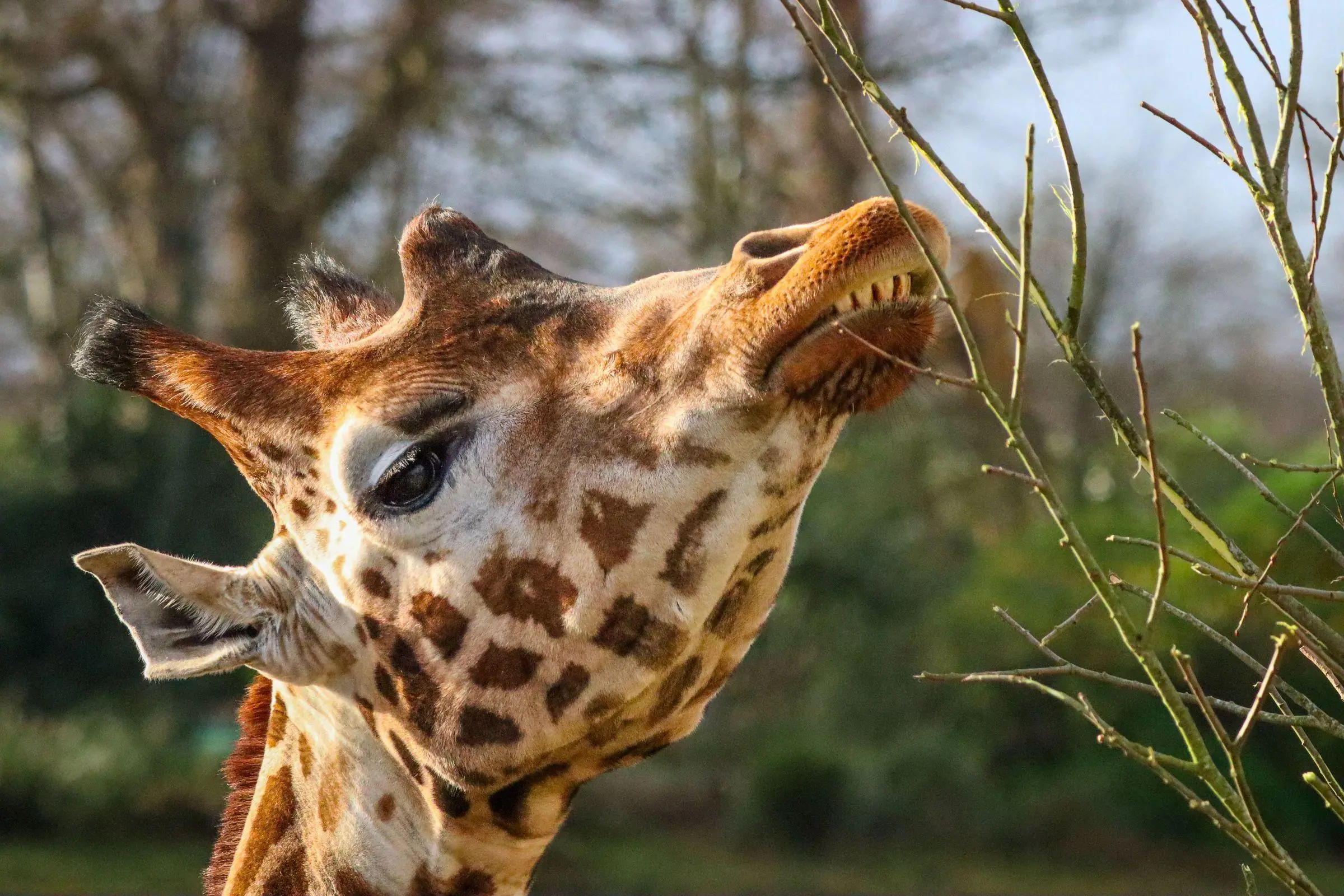
Opened in 2001, the African Savanna represents the zoo’s shift toward modern, immersive habitats. Covering a massive portion of the zoo’s footprint, it is designed to mimic the plains of Africa. What makes it architecturally and culturally significant is its mixed-species approach. Giraffes, zebras, ostriches, and rhinos share the same expansive space. The viewing platforms are built into the landscape, using natural barriers like water and elevation changes rather than visible fences.
4. The Kaziranga Forest Trail
This habitat for the zoo’s herd of Asian elephants is a masterclass in modern zoo design. Opened in 2007, it features a winding trail that takes visitors through a dense, bamboo-lined forest. The architecture of the viewing areas includes raised wooden walkways and a large, open-air amphitheater where visitors can watch the elephants bathe in their custom-built pools.
5. The Orangutan Forest
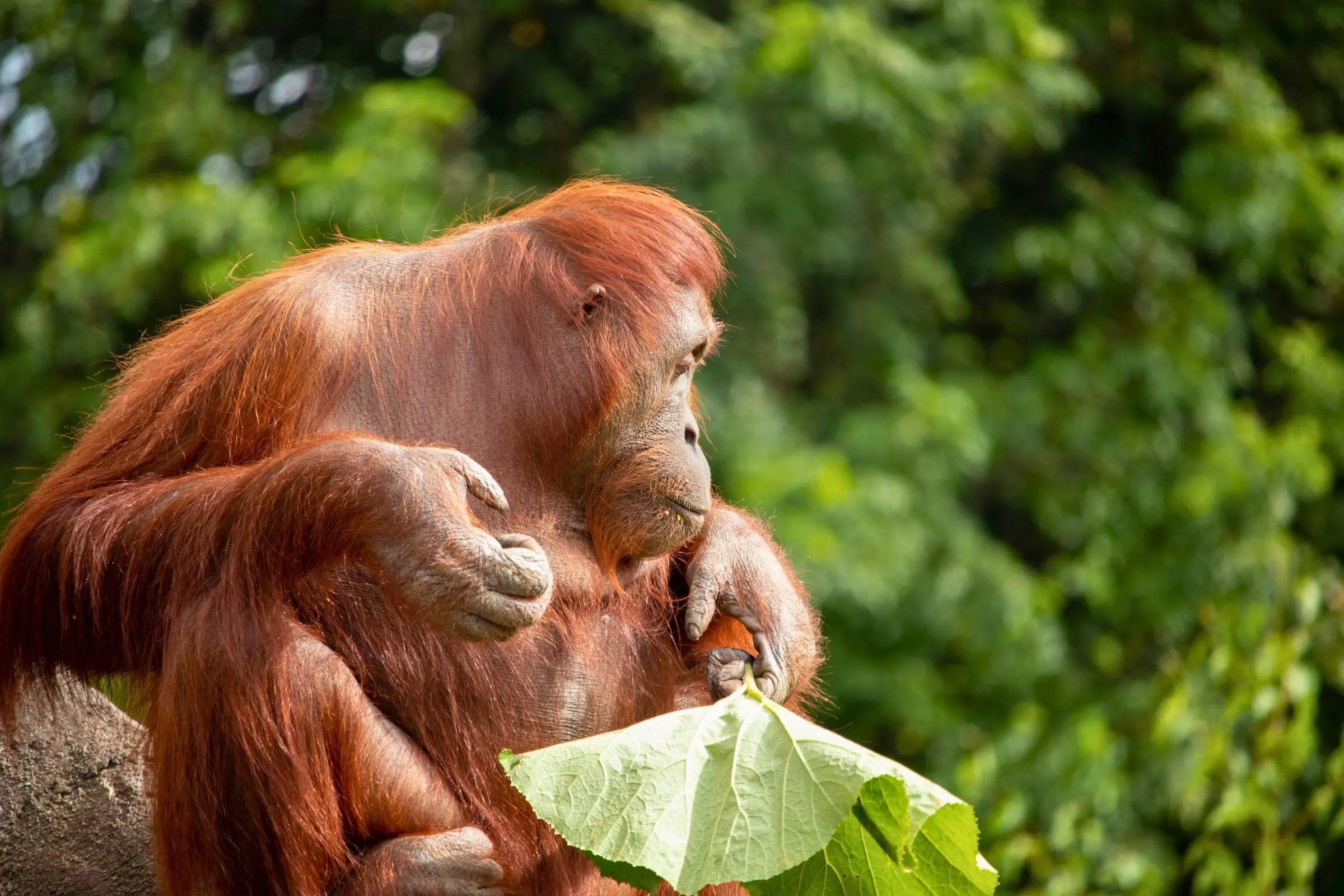
Inspired by the tropical rainforests of Borneo, this habitat features massive climbing structures and interconnected ropes that stretch across the visitor pathways. The design allows the orangutans to move above the heads of the crowd, completely changing the traditional dynamic of looking into an enclosure.
How to Visit: Audience Segmentation
Your strategy for tackling the zoo should change based on who you are traveling with and how much time you have.
For Families with Young Kids
- The Reality: The zoo is large, and little legs will get tired.
- The Strategy: Bring a stroller (or rent one of the wooden pull-along wagons near the entrance). Prioritize the “Family Farm” area first, where toddlers can interact with domestic animals.
- Facilities: There are multiple playgrounds scattered throughout the zoo, which are great for burning off energy. The largest is near the African Savanna. Baby changing facilities are available in all major restroom blocks.
For the Time-Poor Visitor
- The Reality: Seeing the entire zoo takes about 3 to 4 hours. If you only have 90 minutes, you need to be ruthless.
- The Strategy: Skip the front section (birds and smaller monkeys) and head straight to the back of the park. Walk directly to the African Savanna, loop through the Kaziranga Forest Trail (elephants), and pass the Gorilla Rainforest on your way back to the exit.
For Budget Travelers
- The Reality: Food inside the zoo is priced at a premium, and a family lunch at the Meerkat Restaurant can easily add €40–€50 to your day.
- The Strategy: Dublin Zoo allows you to bring your own food. There are dozens of picnic benches, particularly around the Great Lawn and the African Savanna. Pack sandwiches and snacks before you arrive. Also, check if the zoo is included in your Dublin Pass if you plan on visiting multiple city attractions.
Keep Planning: If you are traveling with children, check out our broader guide to Dublin with Kids for more itinerary ideas.
Ticket Options: Independent vs. Passes
Most visitors explore the zoo independently. Guided tours are generally reserved for large school groups or VIP donor experiences. Your main choice is whether to buy a standalone ticket or use a city tourist pass.
Dublin Zoo Entry Ticket
- Direct entry to the zoo
- Valid for the whole day
- Best if the zoo is your only paid attraction today
The Dublin Pass
- Includes Dublin Zoo entry
- Includes Guinness Storehouse & 35+ other sites
- Includes Hop-on Hop-off bus ticket
- Only cost-effective if doing 3+ major sites a day
Ticket Hack: If you are a member of another major zoo in the UK or Ireland (like Chester Zoo or Belfast Zoo), check your membership benefits. Dublin Zoo has reciprocal agreements with several institutions that may grant you free or discounted entry.
Transit Logistics: Getting to Dublin Zoo
Dublin Zoo is located in Phoenix Park, which sits just west of the city center.
By Luas (Tram): Take the Luas Red Line to Heuston Station. From Heuston, it is a 15 to 20-minute walk. You will cross the road, enter Phoenix Park through the main gates on Parkgate Street, and walk straight up Chesterfield Avenue. The zoo entrance will be on your right.
By Bus: Several Dublin Bus routes stop near the park entrance. The most convenient are the 26, 46A, and 69, all of which stop near the North Circular Road gate or Parkgate Street.
By Hop-on Hop-off Bus: If you are using a sightseeing bus, the DoDublin Hop-On Hop-Off Bus stops directly outside the zoo entrance, saving you the 15-minute walk from Heuston Station.
By Car: There is no dedicated parking lot exclusively for the zoo. Visitors must use the public parking spaces along Chesterfield Avenue or the Lord’s Walk car park in Phoenix Park. Parking is free, but spaces fill up very quickly by 10:30 AM on weekends. Do not park on the grass; park rangers actively clamp vehicles.
Local Tips for Avoiding Crowds
- The Reverse Route: Most people enter the zoo and immediately turn right to look at the monkeys and reptiles. Instead, walk straight past the front exhibits and head directly to the African Savanna at the far end of the park. You will enjoy the large animals with minimal crowds, and by the time you work your way back to the front, the morning rush will have dispersed.
- Rainy Day Tactics: Dublin weather is famously fickle. If a sudden downpour hits, everyone rushes to Zoorassic World or the Reptile House. Instead, head to the South American House or the Gorilla Rainforest viewing shelter, which tend to be slightly less congested during rainstorms.
- Timing the Food: The Meerkat Restaurant gets chaotic between 12:30 PM and 2:00 PM. If you plan to buy hot food, eat at 11:45 AM or wait until 2:30 PM.
- Afternoon Lulls: If you don’t want to arrive right at opening time (9:30 AM), aim for 2:30 PM. Many families with toddlers leave right after lunch, making the late afternoon a much quieter time to walk the trails.
Where to Stay Nearby
If you want to be close to Phoenix Park and the zoo, the neighborhoods of Smithfield and Stoneybatter are your best options. They are a short walk to the park gates, sit on the Luas Red Line for easy access to the city center, and are packed with excellent local cafes and pubs.
Keep Planning: Read our Smithfield Neighborhood Guide to see why this area is a great base for your trip.
Frequently Asked Questions
How long does it take to walk around Dublin Zoo?
To see the entire zoo at a comfortable pace, expect to spend between 3 and 4 hours. If you are rushing or only want to see the major habitats like the African Savanna, you can do a condensed route in about 90 minutes to 2 hours.
Can you bring your own food and drink into Dublin Zoo?
Yes. Dublin Zoo actively encourages picnics and provides numerous picnic tables and grassy areas throughout the park. Bringing your own food is the best way to save money, as the on-site restaurants can be expensive.
Is Dublin Zoo wheelchair and stroller accessible?
Yes, the vast majority of the zoo is fully accessible. The pathways are paved and wide. However, there are a few slight inclines near the Kaziranga Forest Trail. Accessible restrooms are located throughout the park.
Are dogs allowed in Dublin Zoo?
No pets are allowed inside the zoo, with the strict exception of registered assistance dogs. If you are bringing an assistance dog, you must notify the zoo in advance so they can accommodate you safely.
What happens if it rains during my visit?
The zoo remains open in the rain. There are several indoor habitats (Zoorassic World, the Reptile House, the South American House) and covered viewing areas (Gorilla Rainforest, Orangutan Forest). However, much of the zoo is outdoors, so bring a rain jacket and an umbrella.
Is there parking at Dublin Zoo?
There is no private car park for the zoo. Visitors must use the public parking spaces within Phoenix Park, primarily along Chesterfield Avenue. These spaces are free but fill up very quickly on weekends and holidays, so arriving before 10:00 AM is highly recommended.